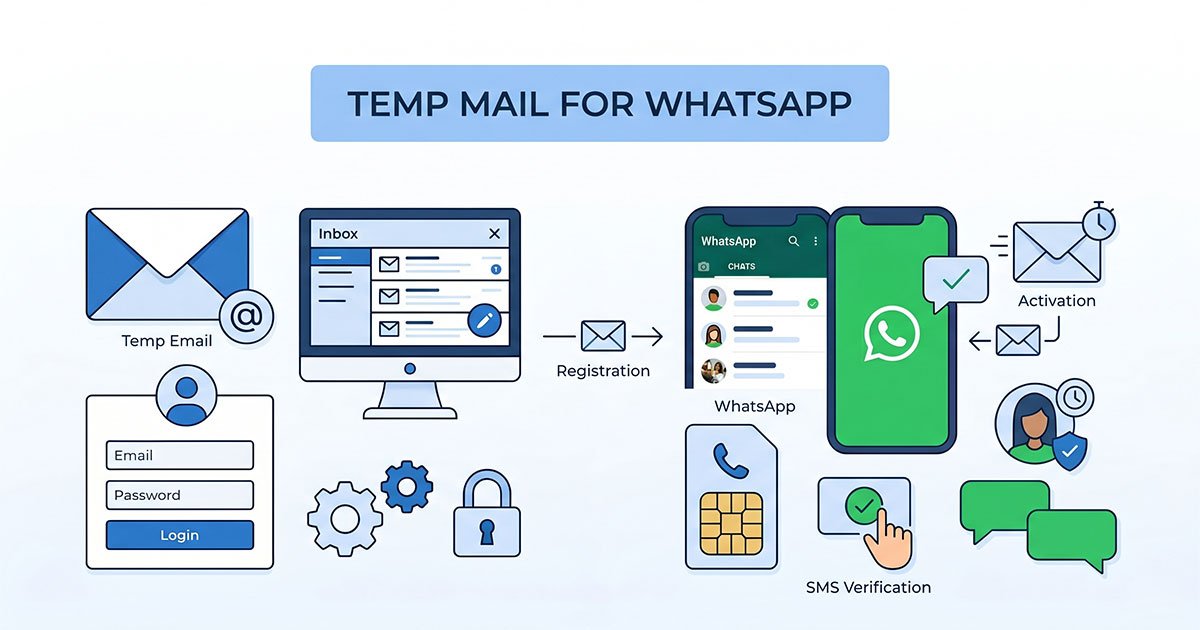
Kann man eine Wegwerf-E-Mail-Adresse verwenden, um sich bei WhatsApp anzumelden? Nicht wirklich. Die anfängliche Registrierung bei WhatsApp basiert auf der Verifizierung einer Telefonnummer, daher kann eine temporäre E-Mail-Adresse die für die Kontoerstellung erforderliche Nummer nicht ersetzen.
Das bedeutet nicht, dass Temp Mail im Zusammenhang mit WhatsApp nutzlos ist. Es kann durchaus sinnvoll für optionale E-Mail-basierte Funktionen sein, um Ihren primären Posteingang von Meta-Diensten getrennt zu halten und bestimmte E-Mail-Workflows zu testen. Der Trick besteht darin, zu wissen, welches Problem Sie tatsächlich lösen wollen: Ihre Telefonnummer ist die Identitätsebene; Ihre E-Mail ist die Posteingangsebene.
Dieser Leitfaden erläutert, wie die WhatsApp-Verifizierung funktioniert, was Sie anstelle Ihrer Hauptnummer verwenden können und wo eine temporäre E-Mail-Adresse tatsächlich sinnvoll ist.
Warum Leute nach „Temp Mail für WhatsApp“ suchen
Jeder, der auf dieser Seite landet, möchte im Grunde eines von drei Dingen:
- Eine private Anmeldung — „Ich möchte WhatsApp nutzen, ohne meine echte Telefonnummer oder meine echte E-Mail-Adresse preiszugeben.“
- Schutz des Posteingangs — „Ich habe Angst, dass WhatsApp (oder Meta) meine primäre E-Mail-Adresse zuspammt oder weitergibt.“
- Eine Abkürzung zum Testen — „Ich bin Entwickler und brauche mehrere Identitäten, um etwas WhatsApp-bezogenes zu testen.“
Hier ist der Punkt: Temp Mail für WhatsApp löst keines der Probleme der ersten Gruppe, löst teilweise das zweite und hilft der dritten Gruppe tatsächlich. Bevor wir tiefer einsteigen, hier die 30-Sekunden-Übersicht – jedes Szenario in diesem Artikel lässt sich auf eine dieser Zeilen reduzieren:
| Wenn Sie ... müssen | Verwenden Sie ... |
|---|---|
| WhatsApp registrieren | Eine Telefonnummer (erforderlich) |
| Ihre Hauptnummer verbergen | Zweite SIM / geeignete virtuelle Nummer |
| Ihre primäre E-Mail vermeiden | Temporäre E-Mail / Alias |
| E-Mail-Abläufe testen | Temporäre E-Mail |
| WhatsApp-Verifizierung testen | Testnummern / offizielle Entwicklertools |
Dieser Artikel bietet Ihnen die 60-Sekunden-Version davon, wie WhatsApp Konten tatsächlich verifiziert, was Sie anstelle von Temp Mail verwenden sollten und die drei Bereiche, in denen eine temporäre E-Mail-Adresse wirklich Sinn ergibt.
Wie WhatsApp Konten verifiziert (60-Sekunden-Version)
Die WhatsApp-Registrierung basiert auf einer erforderlichen Identität: Ihrer Telefonnummer. Sie geben Ihre Nummer ein, erhalten einen Verifizierungscode per SMS oder Anruf und verwenden diesen Code, um die Registrierung abzuschließen. Es gibt kein E-Mail-Feld auf dem Anmeldebildschirm – E-Mail ist niemals Teil des Prozesses.
Das ist der gesamte Mechanismus. Im Gegensatz zu den unten aufgeführten Plattformen verankert WhatsApp Ihre Identität an der SIM-Karte, nicht am Posteingang:
| Plattform | Registrierung mit | Rolle der E-Mail bei der Anmeldung |
|---|---|---|
| Telefonnummer + SMS/Sprach-OTP | ❌ Keine — kein E-Mail-Feld vorhanden | |
| Telegram | Telefonnummer + SMS-Code | Optional (2FA / Cloud-Wiederherstellung) |
| Discord | E-Mail + Passwort | ✅ Kern — E-Mail ist das Konto |
| E-Mail oder Telefonnummer | Einer von zwei Wegen |
Wenn Sie also gehofft haben, dass eine Wegwerf-E-Mail Ihr WhatsApp-Konto anonymisieren würde – das geht nicht, da WhatsApp gar nicht erst nach einer E-Mail fragt. Die Identitätsebene ist Ihre Nummer. Das bedeutet, die eigentliche Frage ist: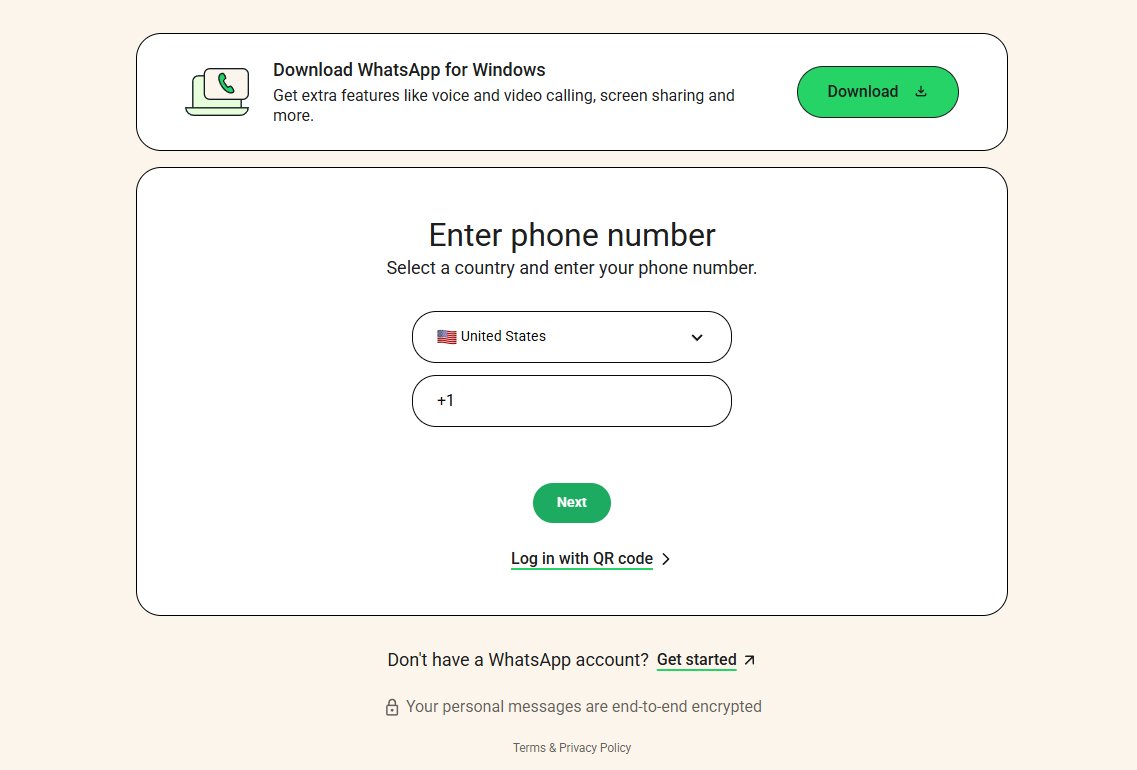
Wie wir den WhatsApp-Registrierungsprozess überprüft haben
Wir haben den aktuellen WhatsApp-Registrierungsprozess auf einer frischen Android-Installation im August 2026 überprüft. Wir konzentrierten uns auf zwei Fragen: Fragt der anfängliche Registrierungsprozess nach einer E-Mail-Adresse und wie wird der Verifizierungscode zugestellt?
Was wir herausgefunden haben: Der Registrierungsprozess erfordert eine Telefonnummer und verwendet einen per SMS zugestellten Verifizierungscode, wobei eine Sprachanruf-Option als Fallback verfügbar ist. Wir sind während des anfänglichen Registrierungsprozesses auf kein E-Mail-Feld gestoßen. Mit anderen Worten: Eine temporäre E-Mail-Adresse kann die Telefonnummer, die WhatsApp für die Kontoverifizierung verwendet, nicht ersetzen.
Was tatsächlich funktioniert: WhatsApp ohne Ihre echte Nummer
Da die Telefonnummer das einzige Tor ist, sollten sich datenschutzbewusste Nutzer darauf konzentrieren. Sie haben drei realistische Wege – mit sehr unterschiedlichen Risikoprofilen.
Weg 1: Eine zweite SIM oder eSIM (am zuverlässigsten)
Eine günstige zweite SIM-Karte – oder ein eSIM-Tarif, der eine Telefonnummer beinhaltet – registriert sich bei WhatsApp wie eine reguläre Mobilfunknummer. Ihre Hauptnummer bleibt privat, während das WhatsApp-Konto mit einer Nummer verknüpft bleibt, die Sie kontrollieren.
Wenn Sie ein separates WhatsApp-Konto für ein Nebengewerbe, Online-Verkäufe, Dating oder andere Aktivitäten wünschen, ist dies die zuverlässigste Option. Sie besitzen die Nummer, kontrollieren deren SMS oder Anrufe und müssen sich nicht auf einen Posteingang eines Drittanbieters verlassen.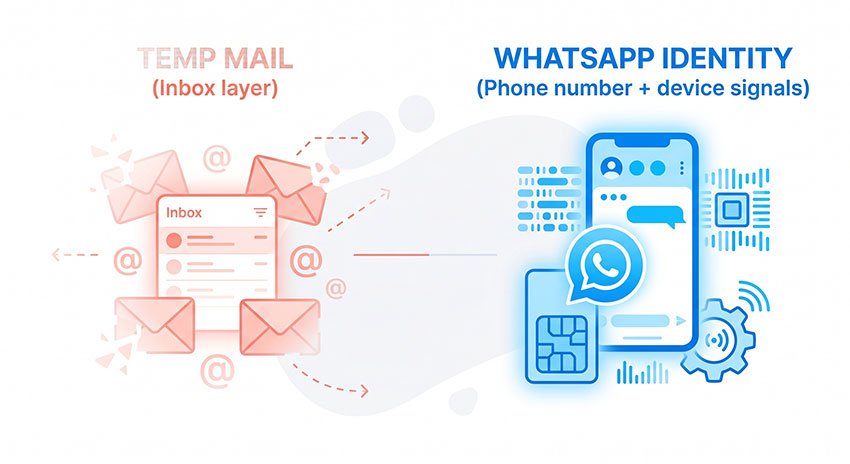
Weg 2: Eine virtuelle Nummer (funktioniert unter Bedingungen)
Virtuelle Nummern können mit WhatsApp funktionieren, aber die Zuverlässigkeit variiert. Das größte Problem ist, dass WhatsApp einige virtuelle oder VoIP-Nummernkreise anders behandeln kann als reguläre Mobilfunknummern.
- VoIP-Nummern können unzuverlässig sein. Einige virtuelle Nummern und Internet-Telefonnummern – einschließlich Nummern im Google-Voice-Stil – erhalten möglicherweise den WhatsApp-Verifizierungscode nicht oder werden bei der Registrierung abgelehnt. Ob eine Nummer funktioniert, kann vom Anbieter, dem Nummernkreis, dem Land und den Verifizierungssystemen von WhatsApp abhängen.
- Einige nicht-VoIP virtuelle Nummern können funktionieren, aber es gibt keine Garantie, dass eine Nummer, die heute verifiziert wird, langfristig zuverlässig bleibt.
- Eine erfolgreiche Verifizierung ist keine Garantie für langfristigen Zugriff. Ein Nummernkreis, der während der Registrierung funktioniert, kann später auf Einschränkungen oder Verifizierungsprobleme stoßen.
Für ein WhatsApp-Konto, das Sie behalten möchten, ist eine virtuelle Nummer eher als Fallback zu betrachten denn als erste Wahl.
Weg 3: Kostenlose SMS-Empfangsseiten (vermeiden)
Vermeiden Sie öffentliche „SMS online empfangen“-Websites für die WhatsApp-Registrierung. Diese Dienste zeigen eingehende Nachrichten oft jedem an, der denselben Posteingang öffnet.
Selbst wenn es Ihnen gelingt, sich zu registrieren, haben Sie kein wirklich privates Konto erstellt. Jeder, der denselben Posteingang besucht, kann möglicherweise Ihren Verifizierungscode sehen, und die Nummer kann später jemand anderem zugewiesen werden.
Verwenden Sie für ein Konto, das Ihnen wirklich wichtig ist, keine öffentlich geteilte Telefonnummer.
Das tödliche Risiko, das niemand erwähnt: recycelte Nummern
Eine gebrauchte oder deaktivierte Nummer funktioniert oft noch für die Registrierung – aber der vorherige Besitzer kann sie möglicherweise zurückfordern. Das Recycling von Nummern ist bei Mobilfunkanbietern Standard, und zurückgeforderte Nummern haben schon mehr als einmal WhatsApp-Konten (und Bank-SMS) stillschweigend gekapert. Wenn Ihnen ein Konto wichtig ist, verwenden Sie eine Nummer, die Sie kontrollieren.
Wo Temp Mail bei WhatsApp DOCH hilft
Temp Mail ist für WhatsApp-Nutzer nicht sinnlos – sie existiert nur auf der Posteingangsebene, nicht auf der Identitätsebene. Drei Bereiche, in denen sie wirklich passt:
1. Die E-Mail für die zweistufige Verifizierung
Die zweistufige Verifizierung von WhatsApp ermöglicht es Ihnen, eine optionale E-Mail-Adresse hinzuzufügen, die verwendet wird, um Ihre PIN zurückzusetzen, falls Sie sie vergessen. Sie möchten Ihre Haupt-E-Mail nicht in den Systemen von Meta haben? Eine Wegwerf- oder Alias-Adresse funktioniert hier technisch einwandfrei.
Aber beachten Sie den Kompromiss: Wenn Sie eine E-Mail-Adresse verwenden, auf die Sie keinen Zugriff mehr haben, und später Ihre PIN vergessen, wird die Wiederherstellung der zweistufigen Verifizierung viel schwieriger – WhatsApp erfordert möglicherweise eine Wartezeit, bevor Sie sie zurücksetzen können. Ein langfristiges Konto ist besser mit einer E-Mail-Adresse verknüpft, die Sie kontrollieren. Verwenden Sie eine temporäre Adresse nur für Konten, die Sie voraussichtlich wieder löschen werden.
2. Ihre E-Mail im Meta Accounts Center
Wenn Sie WhatsApp über das Accounts Center mit Facebook oder Instagram verbinden oder WhatsApp Business-Funktionen nutzen, die mit dem Meta-Ökosystem verknüpft sind, werden Sie an verschiedenen Stellen nach einer E-Mail-Adresse gefragt. Für eine „Burner“-Präsenz, die Sie nicht dauerhaft pflegen wollen, hält eine temporäre E-Mail Ihren echten Posteingang aus der Sache heraus.
3. Testen von WhatsApp-bezogenen E-Mail-Abläufen
Entwickler, die auf der WhatsApp Business Platform aufbauen, Benachrichtigungs-E-Mails testen oder Qualitätssicherung bei Anmeldeabläufen durchführen, können schnell viele Identitäten verbrauchen. Eine temporäre E-Mail-Adresse ist genau das richtige Werkzeug: Posteingang abrufen, Nachricht empfangen, Ablauf verifizieren, weitermachen – kein Aufräumen nötig.
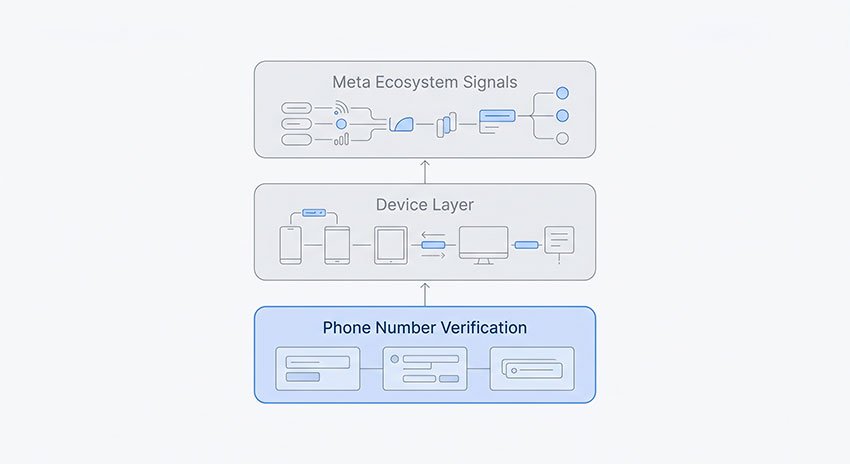
Welches Werkzeug für welches Ziel
Einfache Regel:
Wollen Sie Ihre Telefonnummer verbergen? → Sie brauchen eine Telefonnummern-Lösung.
Wollen Sie Ihre E-Mail schützen? → Sie brauchen eine E-Mail-Lösung.
Diese beiden Werkzeuge lösen unterschiedliche Probleme.
Wenn Ihr Ziel darin besteht, Ihre persönliche Telefonnummer privat zu halten, benötigen Sie eine andere Nummer – wie eine zweite SIM, eSIM oder manchmal eine virtuelle Nummer. Das liegt daran, dass WhatsApp Ihre Telefonnummer als Ihre Kontoidentität verwendet.
Wenn Ihr Ziel darin besteht, Ihre persönliche E-Mail-Adresse nicht preiszugeben, ist eine temporäre E-Mail sinnvoll. Sie bietet Ihnen einen separaten Posteingang für Dienste, die nach einer E-Mail-Adresse fragen, ohne Ihre tägliche E-Mail-Adresse offenzulegen.
Die Verwirrung entsteht, wenn Sie ein Werkzeug verwenden, um das andere Problem zu lösen. Eine temporäre E-Mail kann keine Telefonnummer verbergen, die WhatsApp erfordert, genauso wie eine virtuelle Telefonnummer nicht verhindern kann, dass E-Mails Ihren Posteingang erreichen.
Sobald Sie diese beiden Aufgaben trennen, wird die Antwort viel einfacher: Verwenden Sie ein Telefonnummern-Tool für die Identitätsebene von WhatsApp und ein E-Mail-Tool für die Posteingangsebene.
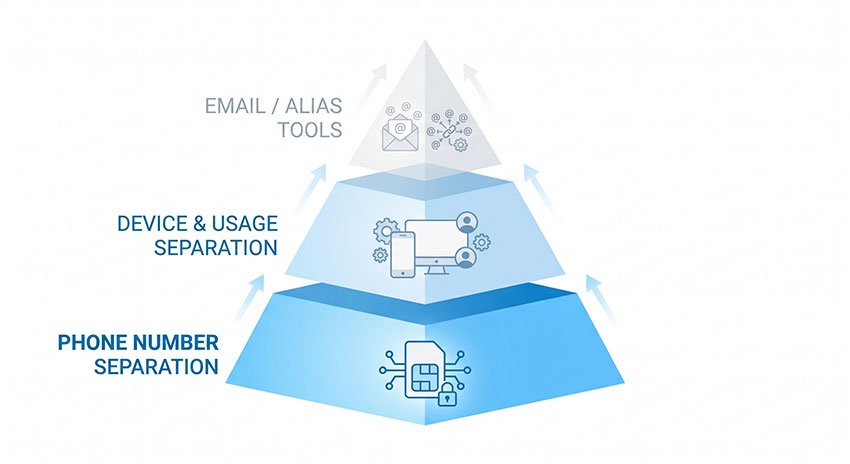
Was sind die Risiken bei der Verwendung einer temporären E-Mail mit WhatsApp?
Eine temporäre E-Mail kann für die Anmeldung funktionieren, aber das bedeutet nicht, dass sie eine gute langfristige Wahl ist. Die Probleme treten normalerweise nach der Registrierung auf, wenn Sie die Adresse tatsächlich wieder benötigen.
- Sie können den Wiederherstellungsweg verlieren. Wenn der temporäre Posteingang abläuft, bevor Sie ihn benötigen, haben Sie möglicherweise keinen Zugriff mehr auf wichtige Wiederherstellungs-E-Mails. Dies ist wichtig, wenn Sie Ihre WhatsApp-Zweistufenverifizierung vergessen.Bestätigungs-PIN.
- Die Domain könnte blockiert sein. Wegwerf-E-Mail-Domains werden von Online-Diensten häufig eingeschränkt. In unserem Guerrilla Mail Testbericht tauchten alle 11 von uns geprüften Domains auf öffentlichen Blocklisten auf. Das bedeutet nicht, dass WhatsApp sie alle blockiert, aber es zeigt, warum Wegwerf-Adressen nicht überall garantiert funktionieren.
- Sie könnten wichtige Konto-E-Mails verpassen. Wenn Sie eine temporäre Adresse für WhatsApp-bezogene Benachrichtigungen oder die Wiederherstellung verwenden, bedeutet ein abgelaufener Posteingang, dass diese Nachrichten praktisch unerreichbar sind.
Die einfache Regel: Verwenden Sie Temp-Mail, wenn Sie einen temporären Posteingang benötigen; verwenden Sie eine dauerhafte E-Mail-Adresse, wenn Sie einen langfristigen Kontozugriff benötigen.
FAQ zu Temp-Mail für WhatsApp
Kann ich eine Temp-Mail für WhatsApp verwenden?
Nicht für die Registrierung – die WhatsApp-Registrierung erfolgt über eine Telefonnummer und einen SMS-Code, es gibt kein E-Mail-Feld. Eine Temp-Mail kommt nur für optionale Funktionen wie die E-Mail-Adresse für die zweistufige Verifizierung oder das Meta-Kontocenter zum Einsatz.
Kann WhatsApp den Bestätigungscode per E-Mail senden?
Nein. Bestätigungscodes werden per SMS oder Sprachanruf an die Telefonnummer gesendet, mit der Sie sich registrieren – es gibt keine Option, den Code per E-Mail zu erhalten. Wenn Sie keine SMS auf Ihrer Nummer empfangen können, ist die Alternative ein Sprachanruf, keine E-Mail.
Kann ich eine Wegwerf-E-Mail anstelle einer Telefonnummer für WhatsApp verwenden?
Nein – beides ist nicht austauschbar. Eine Telefonnummer ist für die Registrierung zwingend erforderlich und eine Wegwerf-E-Mail kann diese nicht ersetzen; die E-Mail erscheint nur in optionalen Funktionen, nachdem das auf der Nummer basierende Konto existiert. Um WhatsApp von Ihrer echten Nummer zu trennen, benötigen Sie eine zweite SIM-Karte oder eine geeignete virtuelle Nummer.
Kann ich WhatsApp ohne Telefonnummer erstellen?
Nein. Jedes WhatsApp-Konto erfordert eine Telefonnummer zur Verifizierung. Ihre Optionen sind eine zweite SIM/eSIM (am zuverlässigsten) oder eine Nicht-VoIP-virtuelle Nummer – VoIP-Nummern werden oft abgelehnt.
Benötigt WhatsApp eine E-Mail für Backups?
Nein. WhatsApp-Chat-Backups erfordern keine E-Mail-Adresse für die Ende-zu-Ende-Verschlüsselung. Abhängig von Ihrem Konto und Ihrer App-Version unterstützt WhatsApp ein Passwort, einen 64-stelligen Verschlüsselungsschlüssel oder einen Passkey – Passkeys wurden Ende 2025 eingeführt und ermöglichen es Ihnen, Ihr verschlüsseltes Backup mit einem Fingerabdruck, Gesichtsscan oder einer Bildschirmsperre zu schützen, anstatt sich etwas merken zu müssen.
Ist eine virtuelle Nummer sicher für WhatsApp?
Es kommt auf den Nummerntyp an. VoIP-Nummern schlagen bei der Verifizierung oft fehl oder funktionieren später nicht mehr, wenn ihr Bereich markiert wird. Nicht-VoIP-Nummern von echten Mobilfunkanbietern halten tendenziell besser. Für langfristige Konten ist eine zweite SIM-Karte noch sicherer.
Kann eine Temp-Mail-Adresse mehrere WhatsApp-Konten verwalten?
Nein – der limitierende Faktor ist die Nummer, nicht die E-Mail. Eine Telefonnummer entspricht einem WhatsApp-Konto, daher erfordern mehrere Konten mehrere Nummern, unabhängig davon, welche E-Mail-Adresse Sie verwenden.
Fazit
Wenn Sie hier sind, weil Sie WhatsApp nutzen möchten, ohne dem Dienst Ihre Haupttelefonnummer zu geben, ist die Antwort einfacher, als es auf den ersten Blick scheint: Temp-Mail ist nicht das richtige Werkzeug für diese Aufgabe.
WhatsApp verwendet Ihre Telefonnummer als Identität des Kontos. Eine temporäre E-Mail kann bei der E-Mail-basierten Verifizierung oder bei Sicherheitseinstellungen helfen, aber sie kann die Telefonnummer, die WhatsApp zum Erstellen und Wiederherstellen des Kontos verwendet, nicht ersetzen.
Basierend auf unseren Erkenntnissen gilt also:
- Sie möchten ein separates WhatsApp-Konto? Verwenden Sie eine zweite SIM-Karte oder eSIM mit einer Nummer, die Sie kontrollieren. Das ist die unproblematischste Option.
- Sie ziehen eine virtuelle Nummer in Betracht? Das kann funktionieren, aber gehen Sie nicht davon aus, dass jede Nummer verifiziert wird oder zuverlässig bleibt. Wenn Ihnen das Konto wichtig ist, wählen Sie eine Nummer, die Sie behalten können.
- Sie möchten Ihre Haupt-E-Mail-Adresse heraushalten? Hier ergibt eine temporäre E-Mail Sinn. Verwenden Sie sie für optionale E-Mail-Felder, wenn Sie keinen langfristigen Posteingang benötigen.
- Sie planen, das Konto zu behalten? Verwenden Sie für die zweistufige Verifizierung eine E-Mail-Adresse, die Sie tatsächlich kontrollieren. Der Verlust des Zugriffs auf Ihre Wiederherstellungsinformationen ist ein viel größeres Ärgernis, als ein paar zusätzliche Minuten bei der Einrichtung zu vermeiden.
Mit anderen Worten: Versuchen Sie nicht, ein Telefonnummern-Problem mit Temp-Mail zu lösen. Verwenden Sie für WhatsApp eine Telefonnummer, die Sie kontrollieren, und nutzen Sie Temp-Mail dort, wo es tatsächlich sinnvoll ist.
Das ist die Konfiguration, die am ehesten auch nach der anfänglichen Registrierung weiterhin funktioniert.