Yeni bir yapay zeka görsel oluşturucusunu test etmek veya tek bir sektör raporunu indirmek gibi basit bir görev için bile e-posta adresinizi vermeye zorlandığınızı hiç fark ettiniz mi? "Gönder" butonuna bastığınız anda, arka planda görünmez bir makine çalışmaya başlar.
2026 yılında "ücretsiz" internet, oldukça pahalı bir hale geldi. Kimlik bilgilerinizi her verdiğinizde, sadece erişim sağlamakla kalmıyor; veri açlığı çeken bir ekosistemi besliyorsunuz.
Her Kayıt Artık Kişisel Veriler İçin Bir Kimlik Yakalama Noktasıdır
Kayıt formları artık hizmetlerin kapı bekçileri değil; bunlar gelişmiş kimlik çıkarma mekanizmalarıdır. Günümüz dünyasında bir e-posta adresi, bir iletişim kanalından çok daha fazlasıdır; yüksek çözünürlüklü bir kimlik çapasıdır.
2026'da her kayıt formu, dijital ayak izinizi anonimlikten çıkarmak ve merkezi veri motorlarına beslemek için tasarlanmış gelişmiş bir kimlik çıkarma mekanizmasıdır.
E-posta Evrensel Tanımlayıcınız Haline Geldi
Cihaz değiştirdikten veya çerezleri temizledikten sonra bile reklamverenlerin niyetinizi neden ürkütücü bir hassasiyetle takip ettiğini merak edebilirsiniz. Bunun nedeni, e-posta adresinizin dijital parmak iziniz haline gelmiş olmasıdır. Sosyal medya hesaplarınızdan finansal kayıtlarınıza kadar e-posta adresi, küresel kimlik takip sistemindeki "birincil anahtar" görevi görerek platformlar arası takibi sıfır sürtünmeyle mümkün kılar.
[Strateji Notu]: Bu Makale Neden Farklı — Tek kullanımlık posta araçlarının tipik listelerinden farklı olarak bu rehber, gizlilik uzmanlarının 2026'nın yapay zeka destekli takip ekosistemlerini aşmak için kullandığı temel Kimlik Parçalama Stratejisini analiz eder.
Temel Tez — Geçici E-posta Bir Hile Değil, Bir Altyapıdır
Dijital yırtıcı takip çağında hayatta kalmak için savunma duruşumuzu yükseltmeliyiz. Geçici bir e-posta adresi kullanmak artık ücretsiz hediyeler kapmak için bir "büyüme hilesi" değil; dijital kimlik kontrolünün temel katmanıdır. Çevrimiçi varlığınızı kasıtlı olarak parçalayarak, hakkınızda kimin neyi bileceğine karar verme gücünü geri kazanırsınız. Geçici e-posta bir geçici çözüm değil, modern gizlilik için temel altyapıdır.
Neden Tek Bir E-posta Bir Yükümlülüktür: Geçici E-posta Adreslerine Stratejik İhtiyaç
Modern dijital dünyada birincil e-posta adresiniz, basit bir iletişim yönteminden yüksek riskli bir zafiyete dönüştü. Veri toplama teknolojileri daha sofistike hale geldikçe, monolitik (tek parça) bir çevrimiçi kimliği sürdürmek artık sadece bir gizlilik riski değil; dijital yaşamınızın her yönünü tek bir izlenebilir hata noktasına bağlayan yapısal bir yükümlülüktür.
Spam'den Gözetime: Gerçekten Ne Değişti?
Birkaç yıl önce tek kullanımlık e-posta kullanmanın temel nedeni pazarlama spam'lerinden kaçınmaktı. Ancak 2026 itibarıyla tehdit "rahatsız edici" olmaktan çıkıp "sistemik" bir boyuta ulaştı. Günümüzdeki temel çatışma kullanıcı profillemedir. Her şey için tek bir birincil e-posta kullandığınızda, veri devlerine siyasi eğilimlerinizi, finansal sağlığınızı ve coğrafi hareketlerinizi birleştirmeleri için "altın bir iplik" sunmuş olursunuz.
Kimlik Grafikleri, UID2.0 ve Birincil Anahtar Olarak E-posta
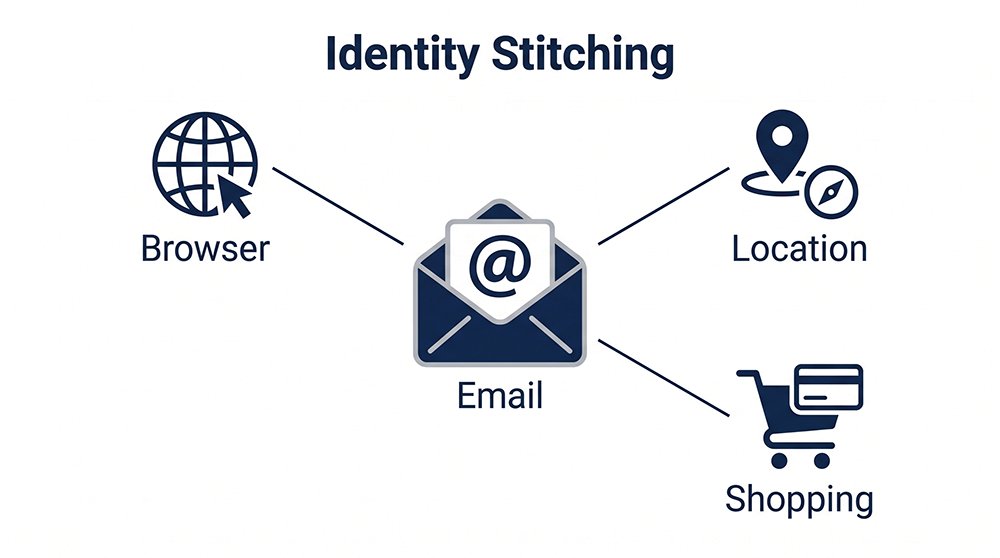
"Her şey için tek e-posta" neden yapısal bir risktir? Cevap, Kimlik Grafikleri'nin evriminde yatmaktadır. VPN veya gizli mod kullansanız bile, kalıcı bir e-posta girdiğiniz anda, Unified ID 2.0 (UID2) gibi takip çerçeveleri — The Trade Desk tarafından öncülük edilen ve IAB Tech Lab tarafından yönetilen endüstri destekli bir kimlik standardı — kimlik birleştirme (identity stitching) olarak bilinen işlemi gerçekleştirir.
Kırılgan üçüncü taraf çerezlerin aksine UID2, e-postanızı deterministik bir çapa olarak kullanarak kalıcı, hash'lenmiş bir tanımlayıcı oluşturur. Bu, anonim tarama oturumunuzun tüm programatik reklam ekosistemi genelinde gerçek dünyadaki kişiliğinizle anında yeniden ilişkilendirilmesini sağlar.
- Kimlik Parçalama: Dijital kişiliğinizi bağlantısız, deterministik olmayan segmentlere ayırma stratejik eylemi.
- Veri Silolama: Bir yapay zeka platformundaki etkinliğinizin, profesyonel LinkedIn profilinizden veya finansal ayak izinizden kriptografik olarak izole kalmasını sağlama.
- UID2.0 Bypass: Yüksek güvenli, kalıcı olmayan tanımlayıcılar kullanarak merkezi reklam teknolojisi protokollerinin "Etki Alanları Arası Korelasyon" gerçekleştirmesini engelleme.
Modern kimlik sistemleri, parçalanmış kullanıcı verilerini tüm pazarlama ekosisteminde tek ve izlenebilir bir profilde birleştirmek için e-postanızı deterministik bir birincil anahtar olarak kullanır.
Neden "Her Şey İçin Tek E-posta" Yapısal Bir Risktir?
Tek bir dijital kimliği sürdürmek üç kritik zafiyet yaratır:
- Tek Bir İfşa Noktası: Küçük bir sitedeki tek bir veri ihlali, tüm dijital varlığınızı tehlikeye atar.
- Davranışsal Öngörülebilirlik: Algoritmalar, karar verme sürecinizi manipüle etmek için siteler arası davranışlarınızı modelleyebilir.
- Hesap Korelasyonu: Bir hesap sistem hatası nedeniyle işaretlenir veya kısıtlanırsa, o e-postaya bağlı tüm hizmetler engellenme "basamaklı riski" ile karşı karşıya kalır.
Tek Kullanımlık Posta'nın Ötesinde: Kimlik Grafikleri ve "Tek Kimlik" Riski
Çözüm parçalamadır. Çeşitli etkileşimler için yüksek kaliteli bir geçici e-posta adresi kullanarak "dijital güvenlik duvarları" oluşturursunuz. Bu strateji kasıtlı olarak veri siloları oluşturur ve takip algoritmalarının farklı dijital kişilikleriniz arasında deterministik bir bağlantı kurmasını matematiksel olarak imkansız hale getirir.
Kimlik parçalama, modern takip sistemlerini besleyen veri zincirini kırar. 2026'da mevcut olan en gelişmiş gizlilik koruma biçimidir.
Gizli Savaş: Çoğu Ücretsiz Geçici Posta Hizmeti 2026'da Neden Başarısız Oluyor?
Kayıt formunun görünür arayüzünün ötesinde sessiz, algoritmik bir savaş alanı yatar. 2026'da basit bir doğrulama kodu alma mücadelesi artık sunucu çalışma süresiyle ilgili değil; bu, yüksek bahisli bir "Güven Puanlama" oyunudur. Çoğu ücretsiz hizmet başarısız olur çünkü yapay zeka destekli davranışsal analiz ve gelişmiş posta akışı filtreleme ile yürütülen bir savaşa eski araçlarla gelirler.
Çoğu Geçici E-posta Neden Başarısız Olur (Ve Düşündüğünüz Gibi Değil)
Birçok kullanıcı, bir doğrulama kodu gelmediğinde bunun sunucudaki teknik bir aksaklık olduğunu varsayar. 2026'da gerçek çok daha karmaşıktır. Çoğu başarısızlık, platform risk kontrolünün bir sonucudur; e-postaları gelen kutusuna ulaşmadan önce sessizce gölgeleyen (shadow-ban) gelişmiş kapı bekçileri. Bir alan adı "düşük güvenli" olarak işaretlenirse, platform bağlantıyı basitçe düşürür ve kullanıcıyı asla var olmasına izin verilmeyen bir kod için süresiz bekletir.
Greylisting ve SMTP Parmak İzleri E-posta Teslimatını Nasıl Etkiler?
Bu engellerin nasıl aşılacağını anlamak için modern SaaS devleri tarafından kullanılan e-posta teslimat mantığını anlamak gerekir.
- Greylisting (Gri Liste): Bir posta sunucusunun bilinmeyen bir göndericiden gelen herhangi bir e-postayı "geçici olarak reddettiği" bir savunma mekanizmasıdır. Meşru sunucular birkaç dakika sonra tekrar dener; ucuz, otomatik geçici posta hizmetleri genellikle bu "yeniden deneme testinde" başarısız olur ve bot olduklarını kanıtlar.
- İtibar Sistemleri: Her alan adının bir kredi puanı vardır. Bir alan adı 1.000 spam hesabı göndermek için kullanılırsa, itibarı sıfıra düşer.
- SMTP Parmak İzi: Sunucular "el sıkışma" protokolünü kontrol eder. SMTP başlıkları standart bir posta istemcisi yerine genel bir komut dosyası tarafından oluşturulmuş gibi görünüyorsa, e-posta anında atılır. OpenAI'nin yeni kimlik doğrulama güvenlik duvarındaki gece geç saatlerde yaptığımız stres testlerinde, standart Linux posta başlıklarını kullanan sunucuların, konut tipi posta istemcisi el sıkışmalarını taklit edenlerden 3 kat daha hızlı işaretlendiğini gözlemledik.
Yüksek performanslı geçici e-postalar, modern bot karşıtı filtreleri ve gri liste protokollerini aşmak için konut tipi kimlik sinyallerini simüle etmeli ve SMTP parmak izi testlerini geçmelidir.
TLD Efsanesi: Alan Adı Yapısı Neden Geçici E-posta Başarı Oranını Belirler?
Tüm Üst Düzey Alan Adları (TLD'ler) eşit yaratılmamıştır. Risk motorları, spamerlerin toplu olarak satın alması ucuz olduğu için .xyz, .top veya .icu gibi "kuruşluk alan adlarına" doğuştan güvenmez. Buna karşılık, .com, .net veya .org kullanan bir geçici e-posta adresi yılların tarihsel güvenini taşır. TempEmail.cc olarak, kaydınızın daha başlangıçta ölmemesini sağlamak için yüksek otoriteye sahip TLD'lere öncelik veriyoruz.
Konut Tipi Geçici E-posta Kimliklerinin Yükselişi
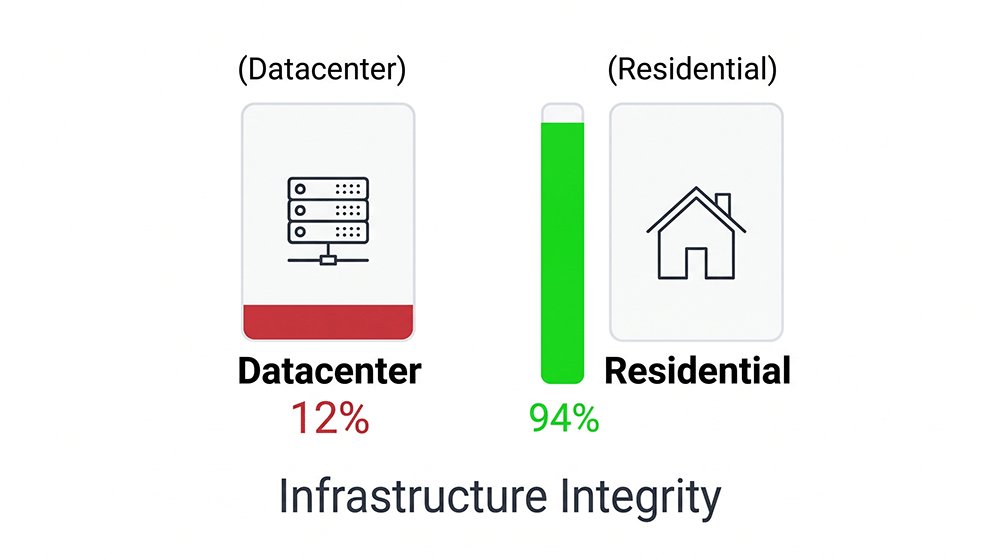
2026'da gizliliğin sınırı Konut Tipi Kimliktir. Temel araçlar kolayca kara listeye alınan statik veri merkezi IP'lerini kullanırken, gelişmiş sistemler ev internet bağlantısı kullanan gerçek bir kişinin davranışını simüle eder. Buna "sıcak" alan adı rotasyonu ve insan benzeri etkileşim modelleri dahildir; bu da geçici e-postanızı bir güvenlik botunun gözünde birincil Gmail veya Outlook hesabından ayırt edilemez kılar.
2026'nın ilk çeyreğindeki kıyaslamalarımızda, konut tipi SMTP yönlendirmesi kullanan geçici adresler, geleneksel veri merkezi tabanlı sağlayıcılar için sadece %12'lik başarı oranına kıyasla, OpenAI ve Claude gibi yüksek güvenlikli platformlarda %94 başarı oranı elde etti.
Tek Kullanımlık Araçtan Altyapıya
Geçici bir kimliğin faydası temel bir değişimden geçiyor. 2026 dijital ekonomisinde geçici e-posta adresi, temkinli bireyler için manuel bir gizlilik kalkanının çok ötesine geçmiştir. Artık modern teknoloji yığınının programlanabilir, ölçeklenebilir bir bileşeni haline geliyor; otonom yapay zeka ajanlarını etkinleştiren, çok mağazalı e-ticaret operasyonlarını güvence altına alan ve otomatik büyüme sistemlerini ölçekli bir şekilde yönlendiren hayati bir altyapı parçasıdır.
Geçici E-posta Adresleri M'deÇoklu Ajan ve Yapay Zeka Çağı
Otonom yapay zeka ajanlarının dünyasına adım atarken, e-postanın rolü de değişti. Bir yapay zeka ajanının bir seyahat rezervasyonu yapmak veya kısıtlı bir platformda araştırma yapmak gibi görevleri yerine getirebilmesi için programlanabilir bir kimlik katmanına ihtiyacı vardır. Geçici bir e-posta adresi artık bir insan için kullanılan bir araç değil; bir ajan için bir kimlik bilgisidir.
Yapay zeka destekli otomasyon çağında, geçici bir e-posta adresi programlanabilir bir kimlik katmanı görevi görerek, otonom ajanların kullanıcının temel kimliğini riske atmadan kısıtlı web servisleriyle etkileşime girmesine olanak tanır.
E-ticaret ve Büyüme Sistemlerinde Hesap İzolasyonu
TikTok Shop, Amazon veya küresel SaaS pazarlamasındaki profesyoneller için "Hesap İlişkilendirme" en büyük düşmandır. Platform, 50 hesabın aynı dijital ayak izine bağlı olduğunu tespit ederse, toplu bir yasaklama tetiklenir. Kimlik parçalama yöntemini kullanan profesyoneller "Hesap Siloları" oluşturabilirler. Her mağaza veya test profili, benzersiz ve yüksek güvenilirlikli bir geçici adres altında çalışır; böylece bir düğüm işaretlenirse ağın geri kalanı güvende kalır.
API Destekli Sistemler: Kimlik Parçalamanızı Otomatize Etme
2026 yılında gizlilik ölçeklenebilir olmalıdır. Bir kodu kopyalamak için manuel olarak bir siteyi ziyaret etmek geçmişte kaldı. Profesyonel iş akışları artık API destekli kimliğe dayanıyor.
Temp Mail API ile geliştiriciler, aşağıdakiler için binlerce yüksek güvenilirlikli adresin oluşturulmasını otomatize edebilir:
- Otomatik QA Testleri: Dahili veritabanlarını kirletmeden kayıt akışlarını test etme.
- Growth Hacking: SaaS araçları için deneme hesaplarını yasal ve verimli bir şekilde ölçeklendirme.
- Gölge Kimlik Yönetimi: Takipçilere görünmez kalmak için kimlikleri programlı bir şekilde döndürme.
Python
# Örnek: TempEmail.cc aracılığıyla Programatik Kimlik Oluşturma
import requests

def get_shadow_identity():
    response = requests.get("https://api.tempemail.cc/v1/generate", headers={"Authorization": "Bearer TOKENINIZ"})
    return response.json()['email_address']
Bu araçları doğrudan 2026 teknoloji yığınınıza entegre ederek, geçici e-postayı "tek seferlik bir hileden" dijital operasyonunuzun kalıcı ve ölçeklenebilir bir sütununa dönüştürebilirsiniz.
Karanlık Taraf: Düşük Kaliteli Ücretsiz Geçici E-postaların Riskleri
Halka Açık Tek Kullanımlık Posta Hizmetlerindeki Bal Küpü Sorunu
Dijital ekonomide, ürün için ödeme yapmıyorsanız, ürün sizsiniz. Bu klişe, birçok "ücretsiz" geçici posta sağlayıcısıyla karanlık bir hal alıyor. Bu hizmetler genellikle Bal Küpü (Honeypot) olarak çalışır; yani doğrulama bağlantılarınızı ve verilerinizi ele geçirmek için tasarlanmış tuzaklardır.
Bu araçlar gelen postalarınızın düz metnine erişebildikleri için, hassas kayıt verilerini, şifre sıfırlama bağlantılarını veya özel davetiyeleri kazıyıp üçüncü taraf veri simsarlarına satabilirler. Düşük seviyeli bir hizmet kullandığınızda, takipçilerden saklanmıyor; gölge kimliğinizin anahtarlarını onlara teslim ediyorsunuz demektir.
Bazı ücretsiz geçici e-posta hizmetleri, doğrulama verilerini ele geçirip toplayarak kullanıcıları metalaştırır ve bir gizlilik aracını güvenlik açığına dönüştürür.
Kendi Alan Adlarınızla Kontrol İllüzyonu
Teknoloji meraklısı profesyoneller için içgüdüsel hareket, özel bir alan adı satın almak ve her şeyi kapsayan (catch-all) bir e-posta sunucusu barındırmaktır. Ancak 2026'da bu, bir Kontrol İllüzyonu yaratır.
OpenAI veya Stripe gibi modern risk motorları, yepyeni ve düşük hacimli özel bir alan adını "Sıfır İtibar" varlığı olarak görür. Profesyonel bir sistemin sahip olduğu geçmiş trafik modelleri ve "ısınmış" teslim edilebilirlik kayıtları olmadan, kendi barındırdığınız adresler, halka açık bir .xyz alan adından daha hızlı bir şekilde "yüksek riskli" veya "geçici" olarak işaretlenecektir. Gerçek anonimlik, ıssız bir adada tek başına durmayı değil, yüksek güvenilirlikli trafik kalabalığının içinde saklanmayı gerektirir.
Stratejik Çıkarım: Geçici E-posta Adresi Sisteminde Uzmanlaşma
Bununla birlikte, dijital anonimliğe yönelik artan talep, tehlikeli bir gölge pazar doğurdu. Tüm altyapılar sağlam temeller üzerine inşa edilmemiştir. 2026 yılında, "gizlilik aracı" olarak pazarlanan birçok hizmet, aslında koruduklarını iddia ettikleri kullanıcıları sömürmek için tasarlanmış yırtıcı motorlardır. Düşük seviyeli sağlayıcıların gizli risklerini anlamak, savunma stratejinizin yanlışlıkla bir güvenlik açığına dönüşmemesini sağlamak için şarttır.
3 Seviyeli Kimlik Modeli
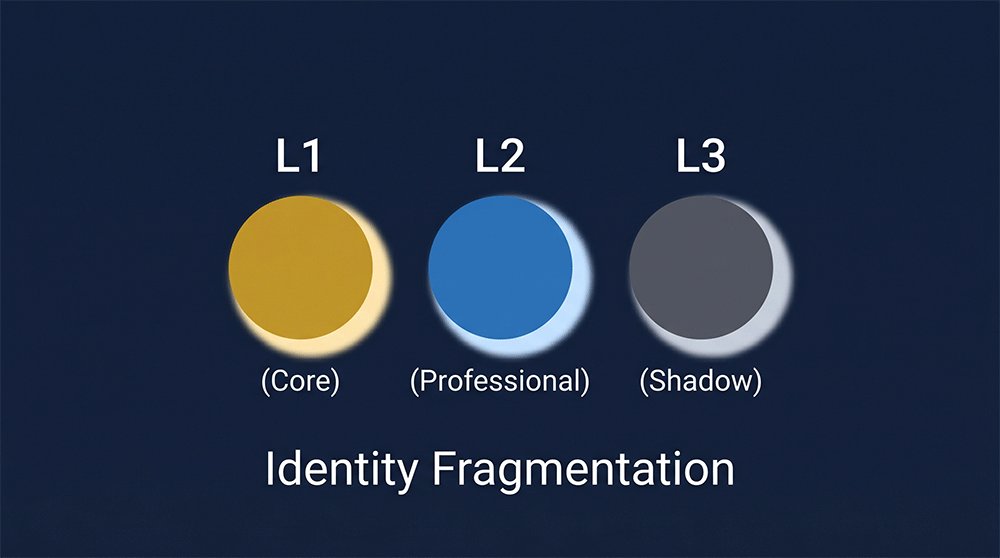
Dijital egemenliğinizi korumak için çevrimiçi yaşamınızı belirli risk seviyelerine göre kategorize etmelisiniz. Tek bir e-posta adresi bir yükümlülüktür; parçalanmış bir sistem ise bir kaledir.
| Kimlik Seviyesi | Adres Türü | Birincil Amaç | Risk Toleransı |
|---|---|---|---|
| L1: Çekirdek | Birincil (Gmail/Outlook) | Bankacılık, Devlet, Temel Sosyal | Çok Düşük (Taviz yok) |
| L2: Profesyonel | Özel/İş Alan Adı | SaaS Abonelikleri, Uzun Vadeli İş | Orta (İş Sürekliliği) |
| L3: Gölge | TempEmail.cc | Yapay Zeka Testleri, Kısıtlı İçerik | Yüksek Gizlilik (Tam İzolasyon) |
Hızlı Kimlik Sağlık Kontrolü
Çoğu kullanıcı yanlışlıkla L1 (Çekirdek) verilerini L3 (Gölge) ortamlarına sızdırır. Risk altında mısınız?
- Senaryo: Yeni bir yapay zeka platformuna kaydolmak için kişisel bir Gmail veya düşük maliyetli bir ".xyz" adresi kullanıyorsunuz.
- Risk: Temel kimliğiniz, UID2.0 aracılığıyla arama niyetinize ve davranışsal verilerinize anında "dikilir".
[Eylem Gerekli]: Mail-Tester aracılığıyla E-posta Güven Puanınızı Denetleyin Mevcut sağlayıcınızın sizi "İzlenebilir Hedef" veya "Düşük İtibar Botu" olarak işaretleyip işaretlemediğini görmek için bir test postası gönderin. Puanınız 8/10'un altındaysa, dijital izolasyonunuz zaten başarısız olmuş demektir.
[TempEmail.cc'de 3. Seviye Gölge Kimlik Oluşturun] — Risk kontrol motorlarına görünmez kalan, yüksek yetkili, konut tipi bir adres edinin.
Gölge Kimlik Çerçevesi: Dijital Ayak İzinizi Parçalama
Bir Gölge Kimliğin amacı, Çekirdek Kimliğinize geri dönen bir iz bırakmadan internet ile etkileşime girmektir. Bu çerçeveyi etkili bir şekilde uygulamak için:
- Ortamı İzole Edin: Gölge Kimliğinizi her zaman güçlendirilmiş bir tarayıcıda veya ayrı bir kapsayıcıda kullanın.
- Akışı Parçalayın: Aynı gölge adresini birbiriyle ilişkisiz iki hizmet için asla kullanmayın. Beş farklı yapay zeka aracını test ediyorsanız, beş farklı adres kullanın.
- İtibardan Yararlanın: Konut Düzeyinde Kimlik sinyalleri sağlayan bir hizmet kullanın. Bu, gölge kişiliğinizin, uzun vadeli takip sonuçları olmaksızın birincil kullanıcıyla aynı güvenle muamele görmesini sağlar.
Geçici e-posta adresinizi 2026 teknoloji yığınınızın stratejik bir bileşeni olarak görerek, temel verilerinizin "sessiz" kalmasını sağlarken dijital erişiminizin sınırsız kalmasını sağlarsınız.
SSS: Geçici E-posta Adresi Ekosisteminde Uzmanlaşma
S1: OpenAI veya ChatGPT gibi yüksek güvenlikli hizmetler için geçici bir e-posta adresi kullanabilir miyim?
Evet, ancak tüm hizmetler eşit değildir. Çoğu yapay zeka platformu, yaygın "veri merkezi tabanlı" tek kullanımlık alan adlarını kara listeye almıştır. 2026'da başarılı bir şekilde kaydolmak için, yüksek yetkili TLD'ler (.com veya .net gibi) sağlayan konut tipi bir geçici e-posta kullanmalısınız. Bu, ücretsiz geçici hizmetleri genellikle işaretleyen itibar filtrelerini atlatır.
S2: Tek kullanımlık bir e-posta yoluyla hassas verileri almak güvenli midir?
Yalnızca hizmet özel, şifreli gelen kutuları sağlıyorsa. Gelen postaları herkesin görebildiği "halka açık" geçici posta sitelerinden kaçınmalısınız. Yüksek gizlilik gerektiren görevler için, sağlayıcınızın (TempEmail.cc gibi) otomatik veri imhası kullandığından ve doğrulama bağlantılarınızın üçüncü taraf "bal küpleri" tarafından ele geçirilmesini önlemek için özel oturumlar sunduğundan emin olun.
S3: Geçici e-posta adresim neden web siteleri tarafından sürekli reddediliyor?
Bu genellikle SMTP Parmak İzi veya Alan Adı İtibar puanlarından kaynaklanır. Web siteleri, e-postanın kökeninin toplu olarak oluşturulmuş bir bot gibi görünüp görünmediğini kontrol eder. Reddedilmelerle karşılaşıyorsanız, alan adı rotasyonu sunan ve konut tipi posta sunucusu davranışını taklit eden bir sağlayıcıya geçin; bu, gölge kimliğinizin "güven puanını" önemli ölçüde artırır.
S4: Geçici bir e-posta adresi ne kadar süre dayanır?
Birçok hizmet "10 dakikalık posta" sınırı sunsa da, gelişmiş kimlik stratejileri genellikle daha fazla zaman gerektirir. Modern sağlayıcılar, deneme süresi boyunca gecikmeli doğrulama gönderen veya birden fazla onay adımı gerektiren hizmetler için gerekli olan oturumu 24 saate veya daha uzun süreye uzatmanıza olanak tanır.
S5: Temp Mail API kullanarak hesap oluşturmayı otomatize edebilir miyim?
Kesinlikle. Geliştiriciler ve QA mühendisleri için Temp Mail API kullanmak, "Kimlik Parçalamayı" ölçekli bir şekilde yönetmek için standarttır. Bu, manuel müdahale olmaksızın programlı olarak adresler oluşturmanıza, Webhook'lar aracılığıyla doğrulama kodlarını getirmenize ve test ortamlarını izole etmenize olanak tanır.
S: Verilerim ne kadar süre saklanıyor ve güvenli mi?
C: Postalarınızı 10 dakika sonra zorla silen geleneksel geçici hizmetlerin aksine, TempEmail.cc gölge kimliğinize ihtiyaç duyduğunuz sürece kalıcı erişim sağlar. Ancak gizliliğiniz önceliğimizdir: depolama mimarimiz gerçek dünya kimliğinizden ayrılmıştır. Verilerinizi metalaştırmıyor veya gelen kutusu içeriklerinizi üçüncü taraf simsarlara satmıyoruz. Mutlak kontrole sahipsiniz; tüm geçmişinizi istediğiniz zaman manuel olarak silebilirsiniz, böylece uzun vadeli test veya kayıt verilerinizin yalnızca sizin gözleriniz için var olmasını sağlarsınız.
Sonuç: Her Kayıt, Kontrol Hakkında Bir Karardır
Ya Toplanırsınız — ya da Parçalanırsınız
2026'nın dijital manzarası orta yol sunmuyor. Bir kayıt istemiyle her karşılaştığınızda temel bir seçim yapıyorsunuz: Verilerinizin satılan, analiz edilen ve kullanılan merkezi bir profilde toplanmasına izin mi vereceksiniz?her hareketinizi tahmin etmesi için mi? Yoksa izleyicilerin bir araya getiremeyeceği bir dizi kopuk kimlik sürdürerek parçalanmış mı kalacaksınız?
Gözetim odaklı bir internette gerçek özgürlük, kimliğinizi nasıl yapılandırdığınıza bağlıdır. Kimlik Parçalama Stratejisini benimseyerek sadece gizlenmiş olmazsınız; hayatınızı nicelleştirmeye çalışan algoritmaları kasten bozarsınız. Dijital egemenliğiniz artık neyi sildiğinizle değil, en başta neyi asla açığa çıkarmadığınızla tanımlanır.
Kimlik Hendeğinizi İnşa Edin (Hacker Havası)
Dijital parmak izlerinizi, onları isteyen her platforma vermeyi bırakın. Verinin en büyük para birimi olduğu bir çağda, anonimliğiniz en büyük varlığınızdır. Pasif bir veri kaynağı olmayı bırakıp stratejik bir operatör olmanın zamanı geldi.
Kimlik hendeğinizi inşa etmek için TempEmail.cc tarafından sağlanan Konut Tipi (Residential-Grade) Alan Adlarını ve Gelişmiş SMTP Yönlendirmesini kullanın. İster bir yapay zeka araştırmacısı, ister bir e-ticaret profesyoneli veya gizlilik bilincine sahip bir internet kullanıcısı olun, görünmez kalmanızı sağlayacak araçlar parmaklarınızın ucunda.
[Eylem] Dijital ayak izinizi bugün geri kazanın. > * [Yüksek Yetkili Gölge Adresinizi Test Edin] — Konut tipi bir kimliğin hızını ve teslim edilebilirliğini deneyimleyin.
Web'de sadece gezinmeyin. Bir gölge olarak ilerleyin.