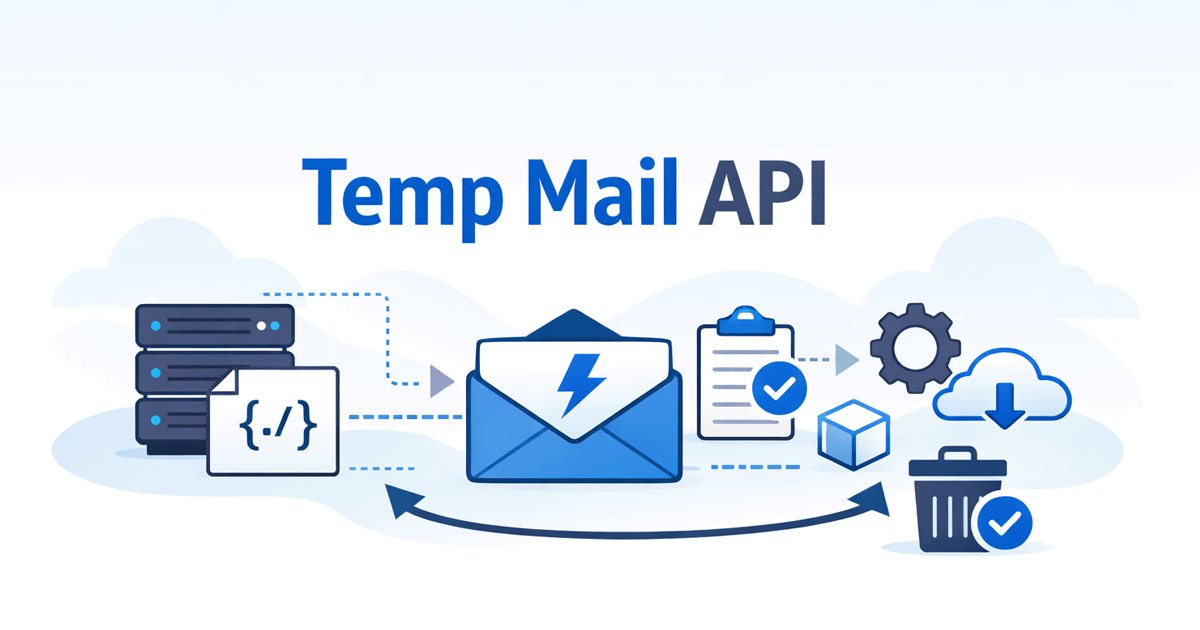
Temp Mail API आधुनिक इंजीनियरिंग टीमों के लिए एक महत्वपूर्ण घटक बन गया है, जो CI/CD में अंतिम मैन्युअल बाधा: ईमेल सत्यापन को समाप्त करना चाहते हैं। जहाँ इंफ्रास्ट्रक्चर को सेकंडों में प्रोविज़न किया जा सकता है, वहीं पारंपरिक ईमेल निर्भरताएँ जिद्दी रूप से स्टेटफुल (stateful) बनी रहती हैं, जो अक्सर आक्रामक बॉट-डिटेक्शन फिल्टर और WAF को ट्रिगर करती हैं, जिससे तुरंत अकाउंट बैन और विफल टेस्ट पाइपलाइन जैसी समस्याएँ होती हैं।
Google Cloud DORA रिपोर्ट के अनुसार, उच्च प्रदर्शन वाली टीमें सॉफ्टवेयर डिलीवरी प्रदर्शन के मुख्य चालक के रूप में उच्च-आवृत्ति स्वचालित परीक्षण पर जोर देती हैं। हालाँकि, मानव आँखों के लिए डिज़ाइन की गई पुरानी ईमेल प्रणालियाँ—मशीन-संचालित तर्क के लिए नहीं—एक संरचनात्मक बेमेल (structural mismatch) पैदा करती हैं। एक प्रोग्राम करने योग्य Temp Mail API का उपयोग ईमेल को एक स्टेटलेस, उच्च-विश्वास वाले संसाधन के रूप में फिर से परिभाषित करता है, जिससे डेवलपर्स को रेट लिमिट और "निम्न-गुणवत्ता वाले डोमेन" फ्लैग्स को बायपास करने की अनुमति मिलती है जो आमतौर पर स्वचालित वर्कफ़्लो को बाधित करते हैं।
यह लेख बताता है कि कैसे QA वातावरण और AI-संचालित प्रणालियों में डिस्पोजेबल इनबॉक्स इंफ्रास्ट्रक्चर को एकीकृत किया जाए ताकि मेल सर्वर के प्रबंधन के परिचालन ओवरहेड के बिना 100% स्वचालन प्राप्त किया जा सके।
समस्या: ईमेल निर्भरताएँ स्वचालन को तोड़ती हैं
आधुनिक सॉफ्टवेयर पाइपलाइनें गति और पुनरावृत्ति के लिए इंजीनियर की जाती हैं, फिर भी ईमेल सत्यापन आधुनिक प्रणालियों के भीतर एक पुराने घटक की तरह व्यवहार करना जारी रखता है। जबकि इंफ्रास्ट्रक्चर, परिनियोजन (deployments) और परीक्षण वातावरण को मांग पर प्रोविज़न किया जा सकता है, ईमेल वर्कफ़्लो अक्सर बाहरी, स्टेटफुल और नियंत्रित करने में कठिन बने रहते हैं—जो स्वचालन-प्रथम इंजीनियरिंग और संचार-प्रथम प्रोटोकॉल के बीच एक संरचनात्मक बेमेल पैदा करते हैं।
स्वचालित परीक्षण इनबॉक्स एक्सेस की प्रतीक्षा में फंस जाते हैं।
एंड-टू-एंड टेस्ट सूट अक्सर यह जांचते समय रुक जाते हैं कि क्या सत्यापन ईमेल आ गया है, जिससे स्क्रिप्ट को साझा इनबॉक्स को पोल करने या मैन्युअल सत्यापन पर निर्भर रहने के लिए मजबूर होना पड़ता है। यह अप्रत्याशित देरी पैदा करता है और उस निश्चितता को कमजोर करता है जिसकी गारंटी स्वचालित परीक्षण को देनी चाहिए।
साझा QA मेलबॉक्स डेटा टकराव पैदा करते हैं।
कई परीक्षण रन के लिए एक ही मेलबॉक्स का उपयोग करने से संदेश ओवरलैप हो जाते हैं, सत्यापन लिंक डुप्लिकेट हो जाते हैं, और यह पहचानना मुश्किल हो जाता है कि कौन सा ईमेल किस सत्र का है। उचित QA वातावरण अलगाव के बिना, समानांतर परीक्षण त्रुटि-प्रवण और स्केल करने में कठिन हो जाते हैं।
बड़े पैमाने पर अकाउंट निर्माण के लिए अद्वितीय पहचान की आवश्यकता होती है।
जैसे-जैसे संगठन स्वचालन परिपक्वता बढ़ाते हैं, परीक्षण डेटा का प्रबंधन—एप्लिकेशन कोड का नहीं—एक प्रमुख बाधा के रूप में उभरता है। उद्योग अनुसंधान से पता चलता है कि जो टीमें परीक्षण-डेटा वर्कफ़्लो को स्वचालित करती हैं, वे विकास चक्र को 58% तक तेज कर सकती हैं, जो यह रेखांकित करता है कि पहचान और डेटा प्रोविज़निंग सीधे डिलीवरी वेग को कैसे प्रभावित करते हैं। ईमेल-आधारित पहचान निर्माण, जब मैन्युअल रूप से संभाला जाता है, तो इसी बाधा का हिस्सा बन जाता है।
कैच-ऑल डोमेन परिचालन ओवरहेड पेश करते हैं।
एक कस्टम कैच-ऑल ईमेल सेटअप बनाए रखने का मतलब है MX रिकॉर्ड, स्टोरेज, स्पैम फ़िल्टरिंग और पार्सिंग लॉजिक का प्रबंधन करना—मूल रूप से केवल परीक्षण का समर्थन करने के लिए एक हल्का मेल सर्वर चलाना। यह उस चीज़ में जटिलता जोड़ता है जिसे एक डिस्पोजेबल, स्केलेबल परीक्षण इंफ्रास्ट्रक्चर घटक होना चाहिए।
पारंपरिक प्रदाता रेट लिमिट और बॉट डिटेक्शन को ट्रिगर करते हैं।
Gmail जैसी सेवाएँ मानव उपयोग के लिए अनुकूलित हैं, स्वचालित वर्कफ़्लो के लिए नहीं। उच्च-मात्रा वाले पंजीकरण प्रयास, बार-बार इनबॉक्स पोलिंग, या स्क्रिप्टेड एक्सेस पैटर्न जल्दी ही थ्रॉटलिंग, CAPTCHA चुनौतियों या अवरुद्ध अनुरोधों का कारण बन सकते हैं।
ये समस्याएँ उपकरणों की कमी के कारण नहीं हैं—वे पुरानी ईमेल प्रणालियों और आधुनिक स्वचालन आवश्यकताओं के बीच बेमेल होने के कारण उत्पन्न होती हैं। वास्तव में स्केलेबल परीक्षण इंफ्रास्ट्रक्चर प्राप्त करने के लिए, विकास टीमों को ईमेल को एक मैन्युअल संचार चैनल के रूप में नहीं, बल्कि एक प्रोग्राम करने योग्य संसाधन के रूप में देखना चाहिए जिसे स्वचालित वर्कफ़्लो में स्पष्ट रूप से एकीकृत किया जा सके।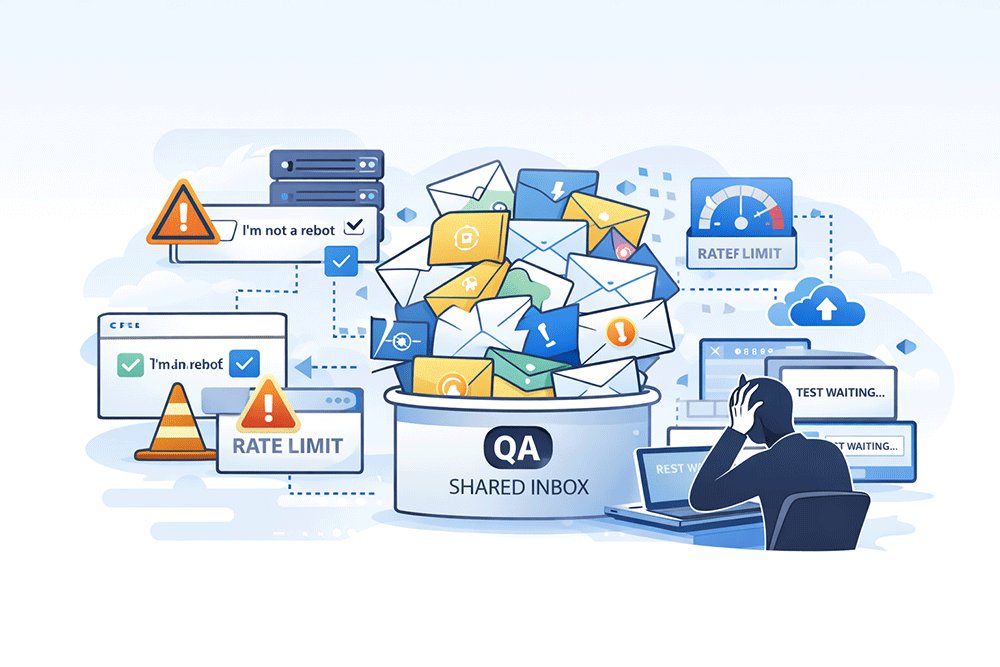
Temp Mail API क्या है? (डेवलपर परिभाषा)
Temp Mail API एक इनबॉक्स नहीं है—यह क्षणिक ईमेल पहचान बनाने और प्रबंधित करने के लिए एक इंफ्रास्ट्रक्चर परत है। मानव संपर्क के लिए डिज़ाइन किए गए पारंपरिक मेलबॉक्स की तरह कार्य करने के बजाय, यह स्वचालित प्रणालियों के भीतर एक प्रोग्राम करने योग्य घटक के रूप में कार्य करता है, जिससे एप्लिकेशन को नियंत्रित वर्कफ़्लो के हिस्से के रूप में ईमेल पते बनाने, मॉनिटर करने और डिस्पोज़ करने की अनुमति मिलती है।
ऑन-डिमांड इनबॉक्स प्रोविज़निंग डेवलपर्स को प्रत्येक टेस्ट रन, उपयोगकर्ता सिमुलेशन या वातावरण के लिए तुरंत अद्वितीय पते उत्पन्न करने में सक्षम बनाता है। इसमें किसी पूर्व-कॉन्फ़िगरेशन की आवश्यकता नहीं होती है, जिससे आधुनिक अस्थायी ईमेल इंफ्रास्ट्रक्चर के हिस्से के रूप में पहचान निर्माण को गतिशील रूप से स्केल करना संभव हो जाता है।
प्रोग्रामेटिक ईमेल पुनर्प्राप्ति एप्लिकेशन को API कॉल, पोलिंग एंडपॉइंट्स या वेबहुक के माध्यम से संदेश प्राप्त करने की अनुमति देती है। यह ईमेल को एक मैन्युअल चेकपॉइंट से मशीन-पठनीय डेटा में बदल देता है, इनबॉक्स को एक प्रोग्रामेटिक इनबॉक्स में बदल देता है जो CI/CD पाइपलाइनों या स्वचालन स्क्रिप्ट के भीतर स्वाभाविक रूप से फिट बैठता है।
स्टेटलेस पहचान जीवनचक्र यह सुनिश्चित करता है कि प्रत्येक उत्पन्न पता केवल एक विशिष्ट कार्य की अवधि के लिए मौजूद रहे। चूंकि ये पहचान क्षणिक होती हैं, वे क्रॉस-टेस्ट संदूषण को समाप्त करती हैं और दीर्घकालिक भंडारण की आवश्यकता को हटा देती हैं, जो वितरित और कंटेनरीकृत परीक्षण मॉडल के साथ संरेखित होती हैं।
सत्यापन पार्सिंग स्वचालन प्रणालियों को मानवीय हस्तक्षेप के बिना वन-टाइम पासवर्ड, सक्रियण लिंक या लेनदेन संबंधी डेटा निकालने में सक्षम बनाता है। यह क्षमता ईमेल सत्यापन परीक्षण के लिए महत्वपूर्ण है, जहाँ सत्यापन स्वचालित प्रवाह के भीतर तुरंत और मज़बूती से होना चाहिए।
डिस्पोजेबल वातावरण नियंत्रण टीमों को एक दोहराने योग्य जीवनचक्र के हिस्से के रूप में इनबॉक्स को अलग करने, प्रबंधित करने और नष्ट करने की क्षमता देता है। प्रत्येक क्षणिक मेलबॉक्स को एक सत्र, परीक्षण मामले या प्रयोग से जोड़ा जा सकता है, जो वातावरण में स्वच्छ स्थिति पृथक्करण सुनिश्चित करता है।
ईमेल को एक स्थायी संचार चैनल के बजाय एक डिस्पोजेबल, प्रोग्राम करने योग्य संसाधन के रूप में मानकर, एक डिस्पोजेबल ईमेल API स्केलेबल विकास और परीक्षण आर्किटेक्चर में सहजता से एकीकृत हो जाता है।
एंटरप्राइज़-ग्रेड उपयोग के मामले: कस्टम डोमेन समर्थन और स्केलेबल परीक्षण
हालाँकि सार्वजनिक डोमेन बुनियादी स्क्रिप्ट के लिए पर्याप्त हैं, लेकिन कई प्लेटफ़ॉर्म अब प्रसिद्ध अस्थायी प्रत्ययों (suffixes) को ब्लॉक करते हैं। यहीं पर कस्टम डोमेन समर्थन आवश्यक हो जाता है। एंटरप्राइज़ आवश्यकताओं के लिए एक निजी अस्थायी ईमेल API का उपयोग करके, संगठन अपने स्वयं के 'स्वच्छ' डोमेन का उपयोग कर सकते हैं, यह सुनिश्चित करते हुए कि स्वचालित ईमेल सख्त एंटी-स्पैम फ़िल्टर और WAF को बायपास कर सकें।
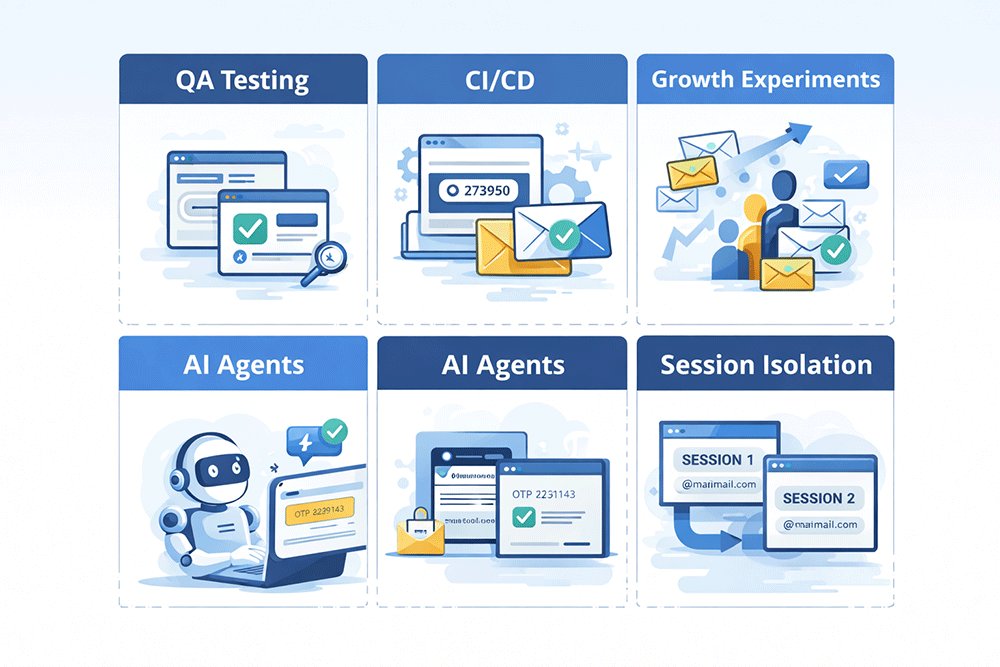
डिस्पोजेबल ईमेल इंफ्रास्ट्रक्चर तब सबसे मूल्यवान हो जाता है जब इसे सीधे विकास और परीक्षण वर्कफ़्लो में एम्बेड किया जाता है। ईमेल को बाहरी निर्भरता के रूप में मानने के बजाय, टीमें इसे अपने स्वचालन स्टैक के एक नियंत्रित, दोहराने योग्य घटक के रूप में एकीकृत कर सकती हैं। नीचे कुछ सबसे सामान्य वास्तविक दुनिया के परिदृश्य दिए गए हैं जहाँ यह दृष्टिकोण विश्वसनीयता और स्केलेबिलिटी में सुधार करता है।
स्वचालित साइनअप परीक्षण
Playwright या Cypress में ईमेल सत्यापन को बायपास करने के लिए API को एकीकृत करने से आप एक ही टेस्ट स्क्रिप्ट के भीतर संपूर्ण उपयोगकर्ता यात्रा को संभालने में सक्षम होते हैं। मैन्युअल इनबॉक्स की जांच करने के लिए ब्राउज़र टैब के बीच स्विच करने के बजाय, आप API कॉल के माध्यम से सीधे सत्यापन कोड प्राप्त कर सकते हैं, जिससे आपके हेडलेस ब्राउज़र परीक्षणों की निष्पादन गति बनी रहती है।
एंड-टू-एंड QA पाइपलाइनें
CI/CD वातावरण में, यह सत्यापित करना कि एप्लिकेशन वास्तव में ईमेल भेजता है, API प्रतिक्रियाओं या डेटाबेस लेनदेन की पुष्टि करने जितना ही महत्वपूर्ण है। Google Cloud द्वारा अपनी DevOps Research and Assessment (DORA) पहलों के माध्यम से प्रकाशित किए गए उद्योग अनुसंधान कार्यक्रम इस बात पर जोर देते हैं कि उच्च-प्रदर्शन वाली टीमें विफलता दर को कम करने और फीडबैक चक्र को तेज करने के लिए डिलीवरी पाइपलाइनों में सीधे स्वचालित सत्यापन को एम्बेड करती हैं।
एक ईमेल परीक्षण API QA वर्कफ़्लो को स्टेजिंग परिनियोजन के दौरान गतिशील रूप से डिस्पोजेबल इनबॉक्स प्रोविज़न करने, संदेश वितरण को सत्यापित करने, पुष्टिकरण लिंक निकालने और मानवीय हस्तक्षेप के बिना निष्पादन जारी रखने में सक्षम बनाता है। ईमेल सत्यापन को उसी स्वचालन परत में एकीकृत करके जिसका उपयोग बिल्ड और परीक्षणों के लिए किया जाता है—आमतौर पर GitHub Actions या समान CI प्रणालियों के माध्यम से ऑर्केस्ट्रेट किया जाता है—टीमें मैन्युअल इनबॉक्स जांच को समाप्त करती हैं और गैर-निश्चित देरी को कम करती हैं। यह दृष्टिकोण QA स्वचालन ईमेल सत्यापन को मजबूत करता है, यह सुनिश्चित करता है कि पहचान और अधिसूचना प्रवाह का एप्लिकेशन लॉजिक के साथ लगातार परीक्षण किया जाता है, जिससे रिलीज जीवनचक्र में दोष पहले ही सामने आ जाते हैं और समग्र परिनियोजन आत्मविश्वास में सुधार होता है।
विकास प्रयोग स्वचालन
उत्पाद और विकास टीमों को अक्सर रूपांतरण व्यवहार का विश्लेषण करने के लिए ऑनबोर्डिंग प्रवाह, रेफरल सिस्टम या मल्टी-अकाउंट परिदृश्यों का अनुकरण करने की आवश्यकता होती है। इन प्रयोगों के लिए बड़ी मात्रा में अद्वितीय पहचान की आवश्यकता होती है, जिन्हें स्थायी ईमेल प्रणालियों के साथ प्रबंधित करना मुश्किल हो सकता है। डिस्पोजेबल इनबॉक्स विश्लेषण के लिए स्वच्छ डेटासेट बनाए रखते हुए स्केलेबल अकाउंट सिमुलेशन को सक्षम करते हैं। डिस्पोजेबल पहचान परीक्षण के साथ, टीमें नियंत्रित प्रयोग चला सकती हैं, वातावरण को तुरंत रीसेट कर सकती हैं, और उस दीर्घकालिक डेटा अवशेष से बच सकती हैं जो पारंपरिक ईमेल उपयोग बनाता है।
AI एजेंट और बॉट वर्कफ़्लो
जैसे-जैसे स्वायत्त प्रणालियाँ और AI-संचालित उपकरण वेब प्लेटफ़ॉर्म के साथ अधिक बातचीत करते हैं, उन्हें मानवीय भागीदारी के बिना ईमेल-आधारित सत्यापन चरणों को पूरा करने में सक्षम होना चाहिए। एक प्रोग्राम करने योग्य इनबॉक्स ईमेल को प्रोग्रामेटिक रूप से प्राप्त करना संभव बनाता है, जिससे एजेंटों को अपने निष्पादन तर्क के हिस्से के रूप में वन-टाइम पासवर्ड या सक्रियण लिंक प्राप्त करने की अनुमति मिलती है। यह क्षमता AI स्वचालन ईमेल हैंडलिंग का समर्थन करती है, जहाँ सत्यापन एक बड़े निर्णय लेने वाले वर्कफ़्लो में केवल एक और मशीन-पठनीय घटना बन जाता है।
प्रति सत्र डिस्पोजेबल इनबॉक्स
समानांतर परीक्षण वातावरण के लिए, सत्रों के बीच सख्त अलगाव बनाए रखना महत्वपूर्ण है। एक सत्र-आधारित दृष्टिकोण प्रत्येक वर्कफ़्लो को अपना पता उत्पन्न करने, आने वाले मेल को संसाधित करने और कार्य पूरा होने पर इनबॉक्स को नष्ट करने की अनुमति देता है। यह पृथक इनबॉक्स जीवनचक्र क्रॉस-टेस्ट संदूषण को रोकता है और सुनिश्चित करता है किसमानांतर रन के बीच शून्य स्टेट लीकेज। सत्र-आधारित ईमेल जनरेशन के माध्यम से, डेवलपमेंट टीमें बड़े पैमाने पर वितरित टेस्ट सुइट्स को निष्पादित करते समय भी पूर्वानुमानित व्यवहार प्राप्त करती हैं।
Temp Mail API कैसे काम करती है: स्टेटलेस आर्किटेक्चर का अवलोकन
आर्किटेक्चर के दृष्टिकोण से, एक temp mail API मैसेजिंग सेवा की तुलना में एक प्रोग्राम योग्य, ऑन-डिमांड संसाधन की तरह अधिक कार्य करती है। यह आधुनिक वितरित प्रणालियों के साथ एकीकृत होने के लिए डिज़ाइन की गई एक हल्की, अल्पकालिक परत प्रदान करती है।
1. प्रोविजनिंग और इंजेक्शन लाइफसाइकिल
प्रक्रिया ऑन-डिमांड इनबॉक्स प्रोविजनिंग के साथ शुरू होती है। पहले से कॉन्फ़िगर किए गए खातों को प्रबंधित करने के बजाय, आपका एप्लिकेशन गतिशील रूप से एक अद्वितीय पहचान उत्पन्न करने के लिए API कॉल को ट्रिगर करता है। यह पता तुरंत आपके वर्कफ़्लो (जैसे, पंजीकरण फ़ॉर्म या प्रमाणीकरण चरण) में इंजेक्ट किया जाता है, जिससे यह सुनिश्चित होता है कि प्रत्येक टेस्ट सत्र पूरी तरह से अलग (isolated) रहे। चूंकि प्रत्येक पहचान एक विशिष्ट निष्पादन संदर्भ से जुड़ी होती है, इसलिए डेटा लीकेज या क्रॉस-टेस्ट संदूषण का कोई जोखिम नहीं होता है।
2. पुनर्प्राप्ति रणनीति: पोलिंग बनाम वेबहुक
प्रदर्शन के लिए सबसे महत्वपूर्ण चरण यह है कि आपका सिस्टम आने वाले संदेश को कैसे प्राप्त करता है। एक एंटरप्राइज़-ग्रेड API दो अलग-अलग पैटर्न प्रदान करता है जो सीधे आपके पाइपलाइन की विलंबता (latency) को प्रभावित करते हैं:
- API पोलिंग (पुल मॉडल): आपकी स्क्रिप्ट निर्धारित अंतराल पर बार-बार इनबॉक्स स्थिति का अनुरोध करती है। हालांकि इसे लागू करना सरल है, लेकिन यह "प्रतीक्षा-समय" ओवरहेड और अनावश्यक नेटवर्क अनुरोधों को पेश करता है।
- वेबहुक (पुश मॉडल): यह उच्च-प्रदर्शन ऑटोमेशन के लिए स्वर्ण मानक है। जैसे ही SMTP सर्वर ईमेल प्राप्त करता है, API डेटा को आपके लिसनर एंडपॉइंट पर "पुश" कर देता है। यह सत्यापन विलंबता को सेकंड से घटाकर मिलीसेकंड कर देता है, जिससे आपकी CI/CD पाइपलाइन तुरंत आगे बढ़ सकती है।
| रणनीति | डिलीवरी की गति | नेटवर्क दक्षता | सर्वोत्तम उपयोग का मामला |
|---|---|---|---|
| पोलिंग | अंतराल पर निर्भर | मध्यम (अनावश्यक अनुरोध) | सरल स्क्रिप्ट / कम आवृत्ति |
| वेबहुक | लगभग वास्तविक समय | उच्च (एकल इवेंट-संचालित) | उच्च-समानांतर CI/CD |
उन अस्थायी प्रदाताओं के विपरीत जो रिफ्रेश के बाद डेटा खो देते हैं, हमारी API पासवर्ड-संरक्षित इनबॉक्स का समर्थन करती है, जिससे आपकी टीम पहचान अलगाव से समझौता किए बिना जटिल रिग्रेशन टेस्टिंग के लिए अल्पकालिक खातों तक फिर से पहुंच प्राप्त कर सकती है।
3. प्रोग्रामेटिक पार्सिंग और ट्रिगर लॉजिक
एक बार संदेश कैप्चर हो जाने के बाद, कंटेंट पार्सिंग लेयर असंरचित ईमेल बॉडी को मशीन-पठनीय JSON में बदल देती है। यह आपके ऑटोमेशन फ्रेमवर्क को प्रोग्राम के माध्यम से वन-टाइम पासवर्ड (OTP) या सक्रियण लिंक निकालने की अनुमति देता है। डेटा का उपभोग होने के बाद, ऑटोमेशन पाइपलाइन बिना मानवीय हस्तक्षेप के फिर से शुरू हो जाती है, जिससे टेस्ट या उपयोगकर्ता सिमुलेशन पूरा हो जाता है।
4. स्वचालित टियरडाउन (शून्य-स्टेट क्लीनअप)
अंत में, इनबॉक्स डिस्पोजेबल लाइफसाइकिल विनाश में प्रवेश करता है। पहचान और उससे जुड़ा डेटा स्वचालित रूप से हटा दिया जाता है, जिससे यह सुनिश्चित होता है कि कोई अवशिष्ट स्थिति (residual state) न बचे। यह स्टेटलेस डिज़ाइन कंटेनरीकृत बुनियादी ढांचे और समानांतर निष्पादन के साथ पूरी तरह से मेल खाता है, क्योंकि इसमें बनाए रखने के लिए कोई स्टोरेज नहीं है और समय के साथ प्रबंधित करने के लिए कोई मेलबॉक्स नहीं है।
डिलीवरी पाइपलाइन की विश्वसनीयता अंतर्निहित मेल सर्वर की प्रतिष्ठा पर निर्भर करती है। एक उच्च-गुणवत्ता वाला प्रदाता यह सुनिश्चित करता है कि आने वाले संदेशों को थ्रॉटल या विलंबित होने से रोकने के लिए temp mail डोमेन के लिए स्वच्छ MX रिकॉर्ड हों। डेवलपर्स के लिए, इसका मतलब उस टेस्ट के बीच का अंतर है जो 2 सेकंड में पास हो जाता है और वह जो ग्रेलिस्टिंग के कारण टाइमआउट हो जाता है।
Temp Mail API बनाम पारंपरिक ईमेल समाधान
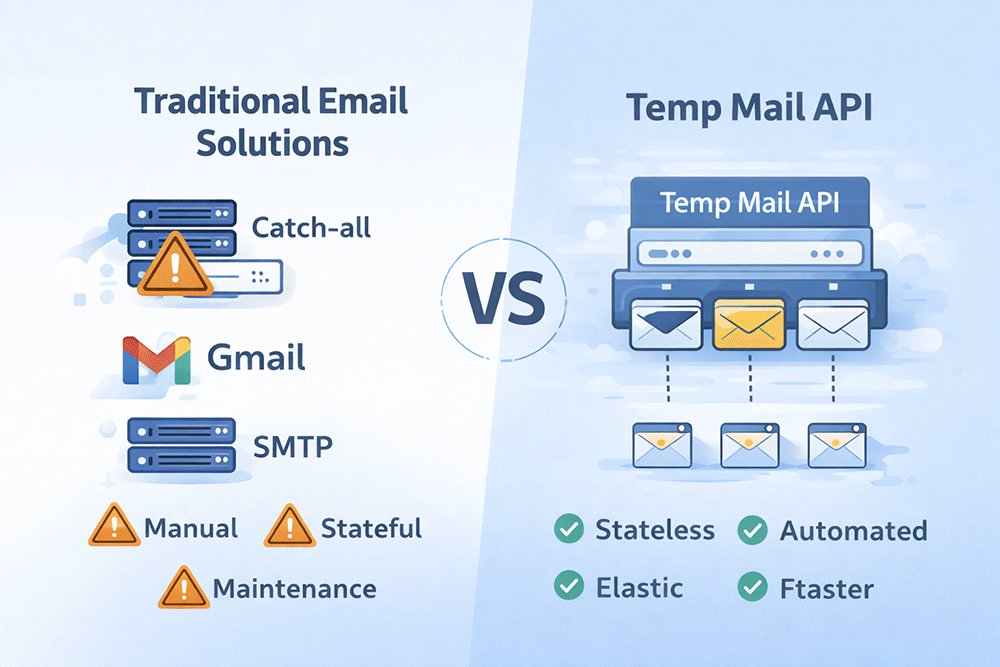
पारंपरिक समाधानों के साथ ईमेल वर्कफ़्लो को स्वचालित करना अक्सर समस्याओं को हल करने के बजाय उन्हें बढ़ाता है। डेवलपर्स के लिए चुनौती केवल संदेश भेजना या प्राप्त करना नहीं है—यह अनावश्यक परिचालन ओवरहेड को पेश किए बिना स्केलेबल, स्वचालित प्रणालियों में ईमेल सत्यापन को मज़बूती से एकीकृत करना है।
| विधि | मुख्य चुनौतियाँ | ऑटोमेशन के लिए यह विफल क्यों है |
|---|---|---|
| कैच-ऑल डोमेन | MX प्रबंधन, पार्सिंग लॉजिक और स्टोरेज की आवश्यकता | बुनियादी ढांचे का बोझ बढ़ाता है; समानांतर टेस्ट के लिए स्केल करना कठिन |
| Gmail ऑटोमेशन | दर सीमाएं, CAPTCHA, बॉट-विरोधी पहचान | मानव उपयोग के लिए अनुकूलित, ऑटोमेशन के लिए नहीं; CI/CD के लिए अविश्वसनीय |
| स्व-होस्टेड SMTP | सर्वर कॉन्फ़िगरेशन, स्पैम हैंडलिंग, अपटाइम रखरखाव | उच्च रखरखाव ओवरहेड; टीमों को मुख्य विकास से भटकाता है |
| Temp Mail API | ऑन-डिमांड इनबॉक्स प्रोविजनिंग, अल्पकालिक लाइफसाइकिल | स्टेटलेस, क्षैतिज रूप से स्केलेबल, पूरी तरह से अलग; ऑटोमेशन पाइपलाइन के लिए उपयुक्त |
पारंपरिक दृष्टिकोण इंजीनियरिंग टीमों को परीक्षण या विकास पर ध्यान केंद्रित करने के बजाय बुनियादी ढांचे को बनाए रखने के लिए मजबूर करते हैं। उच्च-आवृत्ति पोलिंग, स्क्रिप्टेड खाता निर्माण, या साझा मेलबॉक्स जल्दी ही बाधाएं पैदा कर सकते हैं, जिससे CI/CD पाइपलाइन नाजुक हो जाती है।
इसके विपरीत, एक temp mail API एक लोचदार, ऑटोमेशन-अनुकूल ईमेल प्रणाली के रूप में कार्य करती है। इनबॉक्स ऑन-डिमांड उत्पन्न होते हैं, संदेशों को पोलिंग या वेबहुक के माध्यम से प्रोग्राम के अनुसार प्राप्त किया जा सकता है, और प्रत्येक इनबॉक्स की डिस्पोजेबल प्रकृति अलग, स्टेटलेस वर्कफ़्लो सुनिश्चित करती है। डेवलपर्स को अब स्थायी ईमेल खातों को प्रबंधित करने की आवश्यकता नहीं है, और ईमेल एक प्रोग्राम योग्य घटक बन जाता है जो पूरी तरह से परीक्षण फ्रेमवर्क, AI-संचालित ऑटोमेशन और CI/CD पाइपलाइनों के साथ एकीकृत होता है।
अंततः, टीमों को केवल साइनअप फ़्लो का परीक्षण करने के लिए ईमेल सर्वर का प्रबंधन नहीं करना चाहिए। एक डिस्पोजेबल ईमेल API का लाभ उठाना एक स्केलेबल, शून्य-रखरखाव समाधान प्रदान करता है, जिससे डेवलपर्स विश्वसनीय सॉफ़्टवेयर बनाने पर ध्यान केंद्रित कर सकते हैं और स्वचालित वर्कफ़्लो में ईमेल बुनियादी ढांचे के विकल्पों को सुव्यवस्थित कर सकते हैं।
दूसरे शब्दों में, टीमें विरासत ईमेल प्रणालियों के विपरीत, सर्वर का प्रबंधन किए बिना मिनटों में सैकड़ों इनबॉक्स तैयार कर सकती हैं।
Temp Mail API उत्पादन या अनुपालन ईमेल के लिए कब उपयुक्त नहीं है
हालांकि एक temp mail API ऑटोमेशन और टेस्टिंग के लिए एक उत्कृष्ट उपकरण है, लेकिन यह सभी ईमेल-संबंधित उपयोग के मामलों के लिए उपयुक्त नहीं है। इसका डिज़ाइन अल्पकालिक, सत्र-आधारित वर्कफ़्लो के लिए अनुकूलित है, न कि दीर्घकालिक संचार या उत्पादन वातावरण के लिए। इसे इसके इच्छित उद्देश्य के बाहर उपयोग करने से विश्वसनीयता, अनुपालन और उपयोगकर्ता अनुभव से समझौता हो सकता है।
उत्पादन पहचान प्रणालियों को स्थायी, ऑडिट योग्य ईमेल खातों की आवश्यकता होती है। एक डिस्पोजेबल इनबॉक्स खाता पुनर्प्राप्ति, पासवर्ड रीसेट, या लेनदेन संबंधी सूचनाओं का मज़बूती से समर्थन नहीं कर सकता है, जो इसे किसी भी उत्पादन-महत्वपूर्ण पहचान प्रबंधन के लिए अनुपयुक्त बनाता है।
दीर्घकालिक लेनदेन संबंधी संचार—जैसे ऑर्डर पुष्टिकरण, सदस्यता अपडेट, या बिलिंग नोटिस—स्थिर, स्थायी ईमेल पतों पर निर्भर करते हैं। अस्थायी पते बने नहीं रहते हैं और इसके परिणामस्वरूप संदेश खो सकते हैं या ग्राहकों में भ्रम पैदा हो सकता है।
अनुपालन-बद्ध मैसेजिंग एक और परिदृश्य है जहां temp mail API कम पड़ जाती है। वित्त, स्वास्थ्य सेवा, या GDPR-अनुपालन वर्कफ़्लो जैसे कानूनी या नियामक मानकों के अधीन उद्योगों को ईमेल रिकॉर्ड को बनाए रखने और ट्रेस करने योग्य बनाने की आवश्यकता होती है। अल्पकालिक इनबॉक्स इन दायित्वों को पूरा नहीं कर सकते हैं।
ग्राहक जीवनचक्र ईमेल—जिसमें ऑनबोर्डिंग अनुक्रम, मार्केटिंग अभियान और व्यक्तिगत सूचनाएं शामिल हैं—सुसंगत संचार चैनलों पर निर्भर करते हैं। यहां डिस्पोजेबल प्रणाली का उपयोग करने से जुड़ाव टूट जाएगा और नकारात्मक अनुभव पैदा होगा।
संक्षेप में, एक temp mail API को सख्ती से एक परीक्षण और ऑटोमेशन बुनियादी ढांचा उपकरण के रूप में माना जाना चाहिए। जब इसे इसके इच्छित संदर्भ में लागू किया जाता है, तो यह दक्षता, स्केलेबिलिटी और विश्वसनीयता को बढ़ाता है। हालांकि, इन परिदृश्यों के बाहर, पारंपरिक ईमेल समाधान ही एकमात्र सुरक्षित और अनुपालन विकल्प बने रहते हैं।
उदाहरण एकीकरण वर्कफ़्लो
एक temp mail API को एक स्वचालित वर्कफ़्लो में एकीकृत करना कोड लिखने के बारे में कम है और इस बारे में अधिक है कि कैसे ईमेल ऑटोमेशन स्टैक के भीतर पूरी तरह से प्रोग्राम योग्य घटक बन सकता है। वैचारिक रूप से, वर्कफ़्लो अल्पकालिक इनबॉक्स प्रबंधन चरणों के एक अनुक्रम का पालन करता है, जिनमें से प्रत्येक परीक्षण या ऑटोमेशन में एक विशिष्ट चरण के साथ संरेखित होता है।
- इनबॉक्स प्रोविजनिंग
किसी टेस्ट या सत्र की शुरुआत में, सिस्टम एक नए इनबॉक्स का अनुरोध करता है। यह प्रोविजनिंग चरण स्वाभाविक रूप से टेस्ट सेटअप चरण में फिट बैठता है, यह सुनिश्चित करता है कि प्रत्येक निष्पादन एक स्वच्छ, अलग ईमेल पहचान के साथ शुरू हो। ऑन-डिमांड पते उत्पन्न करके, टीमें टकराव या साझा स्थिति की चिंता किए बिना टेस्ट को क्षैतिज रूप से स्केल कर सकती हैं। - वर्कफ़्लो में पता इंजेक्शन
नया उत्पन्न ईमेल लक्षित एप्लिकेशन में डाला जाता है, जैसे कि साइनअप फ़ॉर्म, API कॉल, या ऑनबोर्डिंग फ़्लो। चूंकि इनबॉक्स अल्पकालिक है, यह केवल इस कार्य की अवधि के लिए मौजूद रहता है, जिससे स्वचालित प्रक्रियाएं स्थायी डेटा छोड़े बिना आगे बढ़ सकती हैं। - ईमेल पोलिंग या वेबहुक मॉनिटरिंग
जैसे ही संदेश आते हैं, सिस्टम उन्हें पोलिंग एंडपॉइंट्स या वेबहुक सूचनाओं के माध्यम से प्राप्त करता है। यह एसिंक्रोनस सत्यापन लॉजिक के साथ संरेखित होता है, जिससे स्वचालित पाइपलाइनों को जैसे ही प्रासंगिक ईमेल सामग्री उपलब्ध होती है, आगे बढ़ने की अनुमति मिलती है। - सामग्री पार्सिंग
प्राप्त संदेशों का विश्लेषण सत्यापन लिंक, वन-टाइम पासवर्ड, या संरचित डेटा निकालने के लिए किया जाता है। यह चरण ईमेल को एक मैनुअल चेकपॉइंट से मशीन-पठनीय इनपुट में बदल देता है, जिससे स्वचालित निर्णय लेने में सक्षम होता है। - ट्रिगर निरंतरता लॉजिक
एक बार आवश्यक डेटा निकल जाने के बाद, डाउनस्ट्रीम ऑटोमेशन चरण—जैसे खाता सक्रियण, टेस्ट सत्यापन, या वर्कफ़्लो ट्रांज़िशन—तुरंत आगे बढ़ सकते हैं, जिससे एक सुचारू, निरंतर पाइपलाइन बनी रहती है। - इनबॉक्स विनाश और क्लीनअप
अंत में, इनबॉक्स को डिस्पोजेबल इनबॉक्स लाइफसाइकिल के हिस्से के रूप में हटा दिया जाता है, जिससे डेटा दृढ़ता को रोका जा सकता है और बाद के टेस्ट रन के लिए अलगाव बनाए रखा जा सकता है।
ईमेल को एक स्थिर सेवा के बजाय एक मॉड्यूलर, अल्पकालिक संसाधन के रूप में देखकर, यह वर्कफ़्लो प्रदर्शित करता है कि कैसे एक temp mail API निर्बाध रूप से एकीकृत होती है।CI/CD पाइपलाइनों, टेस्टिंग फ्रेमवर्क और स्वचालित ऑनबोर्डिंग सिस्टम में, जो इसे एक तकनीकी, निर्देशात्मक बुनियादी ढांचे के घटक के रूप में मजबूत करता है।
डिस्पोजेबल ईमेल API का उपयोग करने के लाभ
आधुनिक डेवलपमेंट और QA वर्कफ़्लो में, best disposable email API ठोस इंजीनियरिंग लाभ प्रदान करता है जो सुविधा से कहीं आगे जाते हैं। इसका एक प्राथमिक लाभ यह है कि यह टेस्टिंग में साझा स्थिति (shared state) को समाप्त करता है। प्रत्येक टेस्ट रन पूरी तरह से अलग इनबॉक्स के साथ काम करता है, यह सुनिश्चित करते हुए कि एक सत्र के संदेश दूसरे में हस्तक्षेप न करें। यह निश्चित परिणामों की गारंटी देता है और समानांतर या दोहराए गए टेस्ट परिदृश्यों में डेटा टकराव को रोकता है।
एक और प्रमुख लाभ हॉरिजॉन्टली स्केलेबल आइडेंटिटी सिमुलेशन को सक्षम करने की क्षमता है। टीमें मांग पर सैकड़ों या हजारों अस्थायी पते बना सकती हैं, जो लोड टेस्टिंग, ऑनबोर्डिंग प्रयोगों या मल्टी-अकाउंट सिमुलेशन का समर्थन करते हैं, बिना किसी अतिरिक्त बुनियादी ढांचे के। यह क्षमता सीधे स्केलेबल टेस्टिंग वर्कफ़्लो में योगदान देती है, जिससे इंजीनियरिंग टीमों को सिस्टम का कुशलतापूर्वक स्ट्रेस-टेस्ट करने की अनुमति मिलती है।
डिस्पोजेबल ईमेल API का लाभ उठाकर, संगठन ईमेल बुनियादी ढांचे के स्वामित्व के बोझ को भी हटा देते हैं। सर्वर बनाए रखने, स्टोरेज प्रबंधित करने, स्पैम फ़िल्टरिंग को संभालने या रिटेंशन नीतियां लागू करने की कोई आवश्यकता नहीं है। यह शून्य-रखरखाव ईमेल परत मुख्य विकास कार्यों के लिए संसाधनों को मुक्त करती है और परिचालन जटिलता को कम करती है।
CI/CD पाइपलाइनों में अल्पकालिक (ephemeral) इनबॉक्स का एकीकरण फीडबैक लूप को भी तेज करता है। स्वचालित टेस्ट ईमेल डिलीवरी को मान्य कर सकते हैं, सत्यापन लिंक निकाल सकते हैं और बिना मानवीय हस्तक्षेप के वर्कफ़्लो को आगे बढ़ा सकते हैं, जिससे समग्र स्वचालन दक्षता में सुधार होता है और तेजी से पुनरावृत्ति चक्र (iteration cycles) सक्षम होते हैं।
अंत में, डिस्पोजेबल ईमेल API गोपनीयता-सुरक्षित प्रयोग का समर्थन करते हैं। चूंकि प्रत्येक इनबॉक्स केवल एक विशिष्ट टेस्ट या सत्र के लिए मौजूद होता है, इसलिए संवेदनशील जानकारी का दीर्घकालिक भंडारण नहीं होता है, जिससे जोखिम कम होता है और आंतरिक गोपनीयता दिशानिर्देशों का अनुपालन सुनिश्चित होता है।
कुल मिलाकर, ये लाभ प्रदर्शित करते हैं कि ईमेल को एक प्रोग्राम योग्य, डिस्पोजेबल घटक के रूप में मानने से टेस्टिंग और स्वचालन कैसे एक नाजुक निर्भरता से एक अनुमानित, स्केलेबल और सुरक्षित प्रक्रिया में बदल जाते हैं।
Temp Mail API के बारे में अक्सर पूछे जाने वाले प्रश्न
स्वचालित टेस्टिंग वर्कफ़्लो के लिए हमारे Temp Mail API के साथ शुरुआत करें
पुराने मेल सर्वर प्रबंधित करना बंद करें और अपनी टेस्टिंग को स्केल करना शुरू करें। TempEmail.cc API को नाजुक, मानव-केंद्रित ईमेल वर्कफ़्लो को एक उच्च-प्रदर्शन, स्टेटलेस बुनियादी ढांचा परत के साथ बदलने के लिए इंजीनियर किया गया है। अपने ईमेल सत्यापन को हमारे पूर्व-कॉन्फ़िगर क्लीन डोमेन पूल में ले जाकर, आप Google, Discord और प्रमुख SaaS प्रदाताओं जैसे प्लेटफार्मों पर डोमेन ब्लैकलिस्टिंग की निरंतर समस्या को समाप्त करते हैं।
चाहे आप एक साधारण पंजीकरण प्रवाह को स्वचालित कर रहे हों या एक बड़े AI-संचालित बॉट नेटवर्क का आयोजन कर रहे हों, हमारा API 100% निश्चित टेस्टिंग के लिए आवश्यक अलगाव और विश्वसनीयता प्रदान करता है। प्रत्येक इनबॉक्स अल्पकालिक है, प्रत्येक अनुरोध कम-विलंबता वाला है, और प्रत्येक एकीकरण को आपकी CI/CD पाइपलाइन के अंदर रहने के लिए डिज़ाइन किया गया है—एक बाहरी निर्भरता के रूप में नहीं, बल्कि एक प्रोग्राम योग्य संसाधन के रूप में।
क्या आप अपनी स्वचालन बाधाओं को दूर करने के लिए तैयार हैं?