অনেক ব্যবহারকারী মনে করেন অ্যামাজনের জন্য টেম্প মেইল (temp mail) ব্যবহার করা ক্ষতিকর নয়, কারণ সাইনআপের সময় ইমেইলটিকে কেবল তখনই গুরুত্বপূর্ণ মনে হয়।
প্রথমদিকে, এই ধারণাটি সাধারণত সঠিক বলেই মনে হয়। অ্যাকাউন্টটি কাজ করে, ভেরিফিকেশন ইমেইলটি চলে আসে এবং সাধারণ সাইনআপ প্রক্রিয়ার চেয়ে আলাদা কিছু মনে হয় না।
কিন্তু অ্যামাজন অ্যাকাউন্ট খুব কমই অস্থায়ী থাকে।
সময়ের সাথে সাথে, এগুলো এমন সব বিষয়ের সাথে যুক্ত হয়ে পড়ে যা নিবন্ধনের চেয়েও অনেক বেশি গুরুত্বপূর্ণ:
- পেমেন্ট পদ্ধতি
- অর্ডারের ইতিহাস
- সাবস্ক্রিপশন এবং নিয়মিত কেনাকাটা
- রিটার্ন এবং রিফান্ড রেকর্ড
- অ্যাকাউন্ট পুনরুদ্ধার এবং নিরাপত্তা যাচাই
এটি সাধারণত পরে বোঝা যায়, যখন ব্যবহারকারীরা তাদের পাসওয়ার্ড রিসেট করতে বা অতীতের অর্ডার চেক করতে যান এবং বুঝতে পারেন যে মূল ইমেইলটি এখনও প্রয়োজন।
এখানেই আসল সমস্যাটি দেখা দেয়। ইমেইল ঠিকানাটি কেবল একবার ভেরিফিকেশনের জন্য ব্যবহৃত হয় না — এটি পরবর্তীতে রসিদ, লগইন সতর্কতা, পাসওয়ার্ড রিসেট এবং অ্যাকাউন্ট পুনরুদ্ধারের প্রধান মাধ্যম হয়ে ওঠে।
এই কারণেই মূল ইনবক্সে অ্যাক্সেস হারিয়ে ফেলা অনেক পরে, এমনকি অ্যাকাউন্ট তৈরির কয়েক মাস পরেও সমস্যার সৃষ্টি করতে পারে।
অ্যামাজন অ্যাকাউন্ট দীর্ঘমেয়াদী ব্যবহারের জন্য ডিজাইন করা হয়েছে, যেখানে ডিসপোজেবল ইমেইল স্বল্পমেয়াদী অ্যাক্সেসের জন্য তৈরি।
ডিসকর্ড বা স্টিমের মতো প্ল্যাটফর্ম থেকে অ্যামাজন কেন আলাদা
অ্যামাজনের জন্য টেম্প মেইল কেন দীর্ঘমেয়াদী সমস্যা তৈরি করতে পারে তা বোঝার জন্য, অ্যামাজনকে এমন প্ল্যাটফর্মের সাথে তুলনা করা প্রয়োজন যেগুলোর সাথে বেশিরভাগ ব্যবহারকারী ইতিমধ্যে পরিচিত। ওপরের দিক থেকে দেখলে, অ্যাকাউন্ট তৈরি সব জায়গায় একই রকম মনে হয় — আপনি একটি ইমেইল দিয়ে সাইনআপ করেন, এটি যাচাই করেন এবং পরিষেবাটি ব্যবহার করা শুরু করেন। কিন্তু এরপর যা ঘটে তা প্ল্যাটফর্ম অনুযায়ী খুব আলাদা হয়।
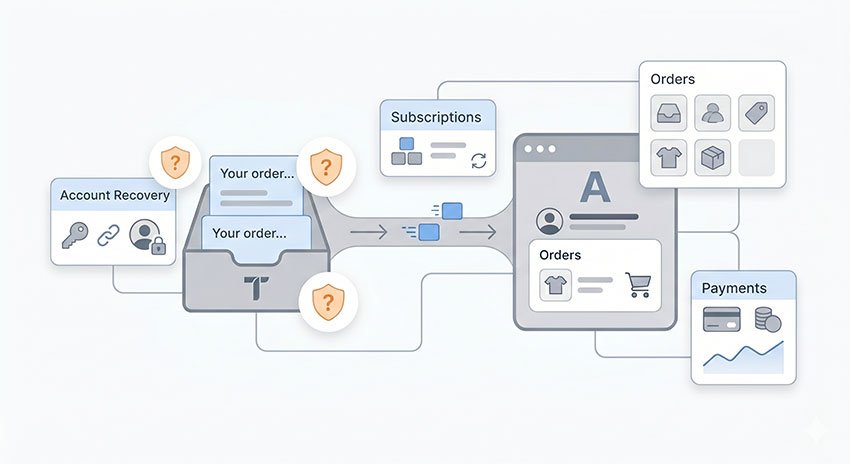
অ্যামাজন বাস্তব জগতের বাণিজ্যের ওপর ভিত্তি করে তৈরি। এর মানে হলো প্রতিটি অ্যাকাউন্ট কেবল একটি লগইনের সাথে নয়, বরং আর্থিক কার্যকলাপ এবং পণ্য ডেলিভারির সাথে যুক্ত। বড় ই-কমার্স প্ল্যাটফর্মগুলো এভাবেই ব্যবহারকারীর অ্যাকাউন্টের মাধ্যমে দীর্ঘমেয়াদী লেনদেনের ধারাবাহিকতা বজায় রাখে। এর বিপরীতে, গেমিং বা সোশ্যাল অ্যাপের মতো প্ল্যাটফর্মগুলো বাস্তব জগতের অনেক কম প্রভাব নিয়ে কাজ করে।
অ্যামাজনের অ্যাকাউন্ট এবং লগইন সাপোর্ট সিস্টেমে যেমন ব্যাখ্যা করা হয়েছে, ইমেইল ভেরিফিকেশন, পুনরুদ্ধার এবং দীর্ঘমেয়াদী অ্যাকাউন্ট অ্যাক্সেসে গুরুত্বপূর্ণ ভূমিকা পালন করে।
অ্যামাজন অ্যাকাউন্টে সাধারণত যা থাকে:
- পেমেন্ট এবং বিলিং
- ডেলিভারি এবং শিপিং ঠিকানা
- রিফান্ড এবং রিটার্ন প্রক্রিয়া
- সাবস্ক্রিপশন এবং নিয়মিত কেনাকাটা
এই কারণে, অ্যাকাউন্টটি কেবল একটি "প্রোফাইল" নয় — এটি সময়ের সাথে সাথে আর্থিক এবং লজিস্টিক কার্যকলাপের একটি রেকর্ড হয়ে ওঠে।
অ্যামাজন বাস্তব বাণিজ্যিক কার্যকলাপের ওপর ভিত্তি করে তৈরি
অ্যামাজন অ্যাকাউন্ট সময়ের সাথে সাথে কীভাবে বিকশিত হয় তা দেখলে এই পার্থক্যটি আরও স্পষ্ট হয়ে ওঠে। অ্যামাজনে প্রায় সবকিছুই প্রকৃত লেনদেনের সাথে সংযুক্ত। একবার অ্যাকাউন্ট ব্যবহার শুরু হলে, এটি দ্রুত জমা করে:
- কেনাকাটার ইতিহাস
- পেমেন্ট পদ্ধতি
- অর্ডার ট্র্যাকিং এবং রসিদ
- রিটার্ন এবং রিফান্ড সংক্রান্ত যোগাযোগ
এর মানে হলো, অ্যাকাউন্টটি যত বেশি সময় ধরে ব্যবহার করা হয়, এটি তত বেশি মূল্যবান হয়ে ওঠে। ইমেইলের মতো মূল যোগাযোগ মাধ্যমগুলোতে অ্যাক্সেস হারিয়ে ফেলা কেবল লগইন নয়, বরং অর্ডার, রিফান্ড এবং অ্যাকাউন্ট পুনরুদ্ধারের ওপরও প্রভাব ফেলতে পারে।
সোশ্যাল এবং গেমিং প্ল্যাটফর্মগুলো ভিন্নভাবে কাজ করে
ডিসকর্ড এবং স্টিম-এর মতো প্ল্যাটফর্মগুলো ভিন্নভাবে গঠিত।
উদাহরণস্বরূপ:
- ডিসকর্ড মেসেজিং, কমিউনিটি এবং মডারেশনের ওপর গুরুত্ব দেয়
- স্টিম ডিজিটাল গেমের মালিকানা এবং লাইব্রেরি অ্যাক্সেসের ওপর গুরুত্ব দেয়
- হোয়াটসঅ্যাপ ইমেইল-ভিত্তিক বাণিজ্যের পরিবর্তে মূলত ফোন-ভিত্তিক পরিচয়ের ওপর নির্ভর করে
যদিও এই প্ল্যাটফর্মগুলো অ্যাকাউন্টের নিরাপত্তার বিষয়ে সচেতন, কিন্তু অ্যামাজনের মতো এগুলো চলমান পেমেন্ট প্রবাহ, শিপিং লজিস্টিকস বা আর্থিক রেকর্ডের ওপর ভিত্তি করে তৈরি নয়।
এই পার্থক্যটি সময়ের সাথে সাথে অ্যাকাউন্টের তথ্য কীভাবে ব্যবহৃত হয় তা বদলে দেয়। অ্যামাজনে, ইমেইল এমন লেনদেন এবং অ্যাকাউন্টের কার্যকলাপের সাথে যুক্ত থাকে যা কয়েক মাস বা এমনকি কয়েক বছর পরেও অ্যাক্সেস করার প্রয়োজন হতে পারে।
অ্যামাজন অ্যাকাউন্ট সিস্টেম কেন সোশ্যাল এবং গেমিং প্ল্যাটফর্ম থেকে আলাদাভাবে কাজ করে
অ্যামাজনের জন্য টেম্প মেইল কেন দীর্ঘমেয়াদী সমস্যা তৈরি করতে পারে তা বোঝার জন্য, অ্যামাজন কীভাবে অ্যাকাউন্ট গঠন করে এবং অন্যান্য সাধারণ প্ল্যাটফর্মগুলো কীভাবে তা করে, তার তুলনা করা প্রয়োজন। যদিও সাইনআপ প্রক্রিয়াটি সব পরিষেবায় একই রকম মনে হতে পারে, কিন্তু প্রতিটি প্ল্যাটফর্ম কীভাবে অ্যাকাউন্টের তথ্য ব্যবহার করে এবং তার ওপর নির্ভর করে, তা বাস্তবে খুব আলাদা।
প্রতিটি প্ল্যাটফর্ম সময়ের সাথে সাথে পরিচয়কে কীভাবে সংজ্ঞায়িত এবং ব্যবহার করে তা দেখলে এই পার্থক্যটি আরও স্পষ্ট হয়।
| প্ল্যাটফর্ম | মূল পরিচয় সিস্টেম |
|---|---|
| অ্যামাজন | পেমেন্ট + ঠিকানা + কেনাকাটার ইতিহাস |
| স্টিম | গেমের মালিকানা + পুনরুদ্ধার ইমেইল |
| ডিসকর্ড | সামাজিক + অ্যান্টি-স্প্যাম আচরণ |
| হোয়াটসঅ্যাপ | ফোন-ভিত্তিক পরিচয় |
মূল পার্থক্যটি সহজ: অ্যামাজন অ্যাকাউন্ট বাস্তব জগতের বাণিজ্যিক কার্যকলাপের ওপর ভিত্তি করে তৈরি, যেখানে গেমিং এবং সোশ্যাল প্ল্যাটফর্মগুলো মূলত মিথস্ক্রিয়া এবং ডিজিটাল এনগেজমেন্টের ওপর ভিত্তি করে তৈরি। এই কারণেই অ্যামাজনের ক্ষেত্রে ইমেইলে দীর্ঘমেয়াদী অ্যাক্সেস অনেক বেশি গুরুত্বপূর্ণ হয়ে ওঠে।
সাইনআপের বাইরে অ্যামাজন কীভাবে ইমেইল ব্যবহার করে
অনেক ব্যবহারকারী মনে করেন যে অ্যামাজন অ্যাকাউন্ট তৈরি এবং নিবন্ধন নিশ্চিত করার জন্যই কেবল ইমেইল প্রয়োজন। বাস্তবে, অ্যাকাউন্ট তৈরির অনেক পরেও ইমেইল একটি সক্রিয় ভূমিকা পালন করে। এটি সময়ের সাথে সাথে পুরো কেনাকাটার অভিজ্ঞতায় ব্যবহৃত হয়, বিশেষ করে অর্ডার, নিরাপত্তা এবং দীর্ঘমেয়াদী অ্যাকাউন্টের কার্যকলাপের ক্ষেত্রে।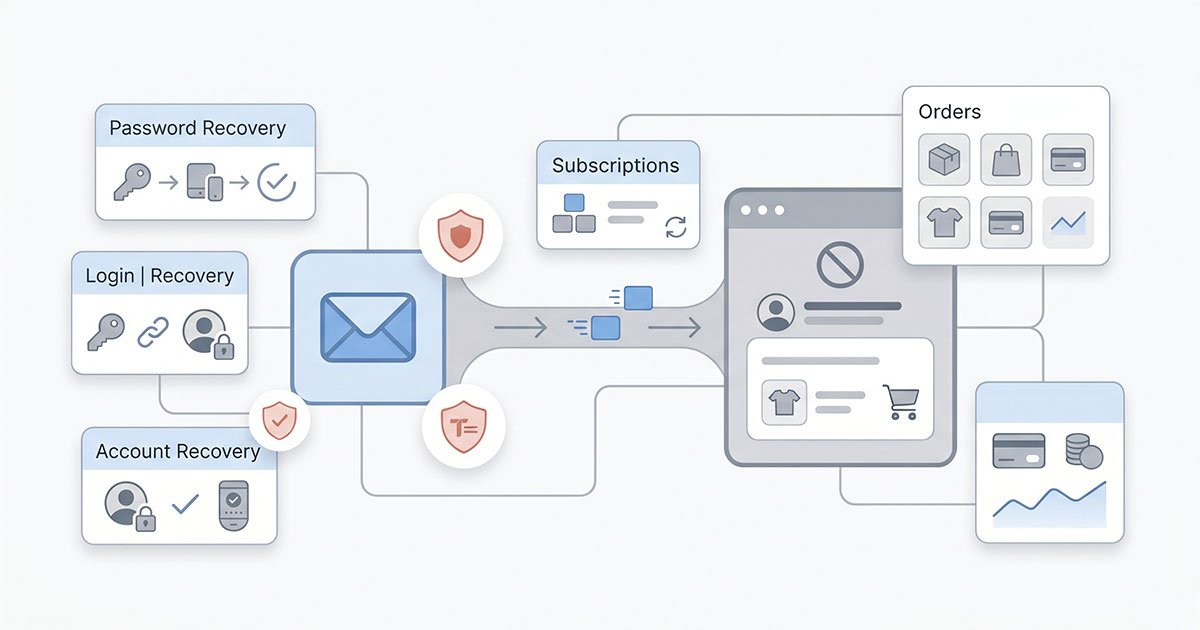
অর্ডারের আপডেট এবং কেনাকাটার রেকর্ড
অ্যাকাউন্ট তৈরির পর, ইমেইল সমস্ত কেনাকাটা সংক্রান্ত যোগাযোগের প্রধান মাধ্যম হয়ে ওঠে। প্রতিবার ব্যবহারকারী কোনো অর্ডার দিলে, অ্যামাজন সাধারণত আপডেট পাঠায় যেমন:
- অর্ডারের রসিদ
- শিপিং নিশ্চিতকরণ এবং ট্র্যাকিং আপডেট
- ডেলিভারি বিজ্ঞপ্তি
- রিটার্ন এবং রিফান্ড নিশ্চিতকরণ
এই ইমেইলগুলো প্রায়শই লেনদেনের দীর্ঘমেয়াদী রেকর্ড হিসেবে কাজ করে। অনেক ক্ষেত্রে, ব্যবহারকারীদের ওয়ারেন্টি দাবি, বিরোধ বা কেবল অতীতের কেনাকাটা নিশ্চিত করার জন্য পরে এগুলো দেখার প্রয়োজন হতে পারে।
যদি মূল ইনবক্সে অ্যাক্সেস হারিয়ে যায়, তবে এই রেকর্ডগুলো পুনরুদ্ধার করা অনেক বেশি কঠিন হয়ে পড়ে।
এটি সাধারণত তখন বোঝা যায় যখন ব্যবহারকারীরা কয়েক মাস পরে পুরনো অর্ডার চেক করতে বা অতীতের রসিদ খুঁজতে যান।
পাসওয়ার্ড রিসেট এবং নিরাপত্তা যাচাই
ইমেইল অ্যাকাউন্টের নিরাপত্তা এবং অ্যাক্সেস ব্যবস্থাপনার জন্যও কেন্দ্রীয় ভূমিকা পালন করে। অ্যামাজন প্রায়শই ইমেইল ব্যবহার করে:
- নতুন ডিভাইস থেকে সাইন ইন করার সময় লগইন যাচাইয়ের জন্য
- পাসওয়ার্ড রিসেট অনুরোধের জন্য
- ওয়ান-টাইম ভেরিফিকেশন কোড (OTP) এর জন্য
- সন্দেহজনক লগইন বা অস্বাভাবিক কার্যকলাপের সতর্কতার জন্য
এই নিরাপত্তা পদক্ষেপগুলো কেবল সাইনআপের মধ্যে সীমাবদ্ধ নয়। অ্যাকাউন্টের জীবনকালের যেকোনো সময় এগুলো ট্রিগার হতে পারে, বিশেষ করে যখন লগইন আচরণ পরিবর্তিত হয় বা নিরাপত্তা সিস্টেম অস্বাভাবিক কার্যকলাপ শনাক্ত করে।
এখানেই দীর্ঘমেয়াদী ইমেইল অ্যাক্সেস গুরুত্বপূর্ণ হয়ে ওঠে। যদি ইনবক্সটি আর উপলব্ধ না থাকে, তবে পুনরুদ্ধার বা যাচাইকরণ প্রক্রিয়া সম্পন্ন করা আরও জটিল হয়ে উঠতে পারে।
অনেক ব্যবহারকারী কেবল ডিভাইস পরিবর্তন করার পর, পাসওয়ার্ড ভুলে যাওয়ার পর বা পরবর্তীতে নিরাপত্তা যাচাই ট্রিগার হওয়ার পরই এটি বুঝতে পারেন।
কেন দীর্ঘমেয়াদী ইমেইল অ্যাক্সেস গুরুত্বপূর্ণ
অ্যামাজন অ্যাকাউন্ট সময়ের সাথে সাথে ব্যবহারের ফলে এটি প্রায়শই সাধারণ কেনাকাটার বাইরেও প্রসারিত হয়। অনেক ব্যবহারকারী ধীরে ধীরে অতিরিক্ত পরিষেবা যুক্ত করেন যেমন:
- প্রাইম মেম্বারশিপ
- কিন্ডল কেনাকাটা এবং ডিজিটাল কন্টেন্ট
- নিয়মিত বা সাবস্ক্রিপশন-ভিত্তিক অর্ডার
- সংরক্ষিত পেমেন্ট পদ্ধতি এবং চেকআউট পছন্দ
এই পরিষেবাগুলো চলমান বিজ্ঞপ্তি এবং অ্যাকাউন্ট সংক্রান্ত আপডেট তৈরি করে যা ইমেইলের মাধ্যমে পাঠানো হয়।
এই কারণেই ইমেইল কেবল একটি নিবন্ধনের টুল নয়। এটি দীর্ঘমেয়াদে অ্যাকাউন্টের কার্যকলাপের জন্য একটি অবিচ্ছিন্ন যোগাযোগ মাধ্যম হিসেবে থেকে যায়। এতে স্থিতিশীল অ্যাক্সেস না থাকলে, অ্যাকাউন্ট বিকশিত হওয়ার সাথে সাথে এর অংশগুলো পরিচালনা বা পুনরুদ্ধার করা অনেক কঠিন হয়ে পড়ে।
অনেক ক্ষেত্রে, ব্যবহারকারীরা কেবল তখনই এটি বুঝতে পারেন যখন তারা তাদের অ্যাকাউন্ট পুনরুদ্ধার করার চেষ্টা করেন বা কয়েক মাস পরে অতীতের অর্ডার চেক করেন।
কেন টেম্প মেইল অ্যামাজনে দীর্ঘমেয়াদী সমস্যা তৈরি করতে পারে
অ্যামাজনের দীর্ঘমেয়াদী অ্যাকাউন্ট কাঠামোতে অস্থায়ী ইমেইল কীভাবে খাপ খায় তা দেখার সময় এটি আরও গুরুত্বপূর্ণ হয়ে ওঠে। বড় ই-কমার্স প্ল্যাটফর্মগুলো সাধারণত সাইনআপের সুবিধার চেয়ে পুনরুদ্ধারের নির্ভরযোগ্যতাকে অগ্রাধিকার দেয়।
যদিও অ্যামাজনের জন্য টেম্প মেইল বা ডিসপোজেবল ইমেইল প্রাথমিক সাইনআপ প্রক্রিয়ার সময় কাজ করতে পারে, তবে এটি চলমান অ্যাকাউন্টের কার্যকলাপ সমর্থন করার জন্য ডিজাইন করা হয়নি। মূল সমস্যা হলো, অ্যামাজন অ্যাকাউন্ট নিবন্ধনের কাজ শেষ হওয়ার অনেক পরেও গুরুত্বপূর্ণ ইমেইল-ভিত্তিক কাজ তৈরি করতে থাকে।
সমস্যাটি প্রায়শই অনেক পরে দেখা দেয় — যখন ব্যবহারকারীরা একটি পুরনো অ্যাকাউন্ট পুনরুদ্ধার করার চেষ্টা করেন, অতীতের অর্ডার চেক করেন বা নতুন ডিভাইসে লগইন যাচাই করেন। এখানেই প্রকৃত ব্যবহারের ক্ষেত্রে ডিসপোজেবল ইমেইলের সীমাবদ্ধতাগুলো দেখা দিতে শুরু করে।
বেশিরভাগ ক্ষেত্রে, অ্যাকাউন্ট তৈরির অনেক পরেও ব্যবহারকারীদের মূল ইমেইলে অ্যাক্সেস প্রয়োজন হয়।
নিচে তিন ধরনের সাধারণ সমস্যা দেওয়া হলো যা ব্যবহারকারীরা সময়ের সাথে সাথে সম্মুখীন হতে পারেন।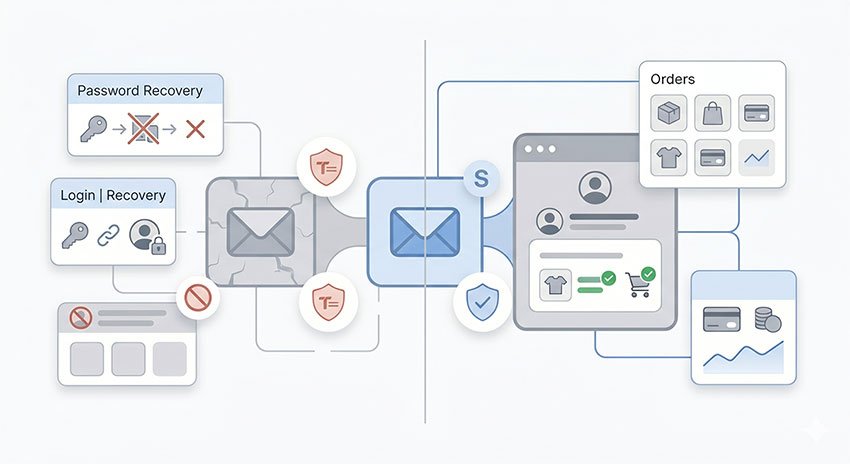
ঝুঁকি ১: আপনি গুরুত্বপূর্ণ ইমেইলে অ্যাক্সেস হারাতে পারেন
সবচেয়ে তাৎক্ষণিক দীর্ঘমেয়াদী সমস্যাগুলোর মধ্যে একটি হলো ডিসপোজেবল ইনবক্সগুলোর মেয়াদ শেষ হয়ে যাওয়া বা অল্প সময়ের পর সেগুলো আর অ্যাক্সেসযোগ্য না থাকা।
সেক্ষেত্রে, ব্যবহারকারীরা:
- অর্ডারের রসিদগুলোতে অ্যাক্সেস হারাতে পারেন
- শিপিং নিশ্চিতকরণ পুনরুদ্ধার করতে অক্ষম হতে পারেন
- রিটার্ন বা রিফান্ড ইমেইল মিস করতে পারেন
- কেনাকাটার ইতিহাসের প্রমাণ হারাতে পারেন
যদিও শুরুতে সবকিছু ঠিক মনে হতে পারে, কিন্তু যখন ব্যবহারকারীদের লেনদেন যাচাই করতে, রিফান্ডের অনুরোধ করতে বা অতীতের অর্ডার চেক করতে হয়, তখন এই ইমেইলগুলো প্রায়শই গুরুত্বপূর্ণ হয়ে ওঠে। একবার ইনবক্স চলে গেলে, সেই ইতিহাস অ্যাক্সেস করা আরও কঠিন হয়ে পড়ে।
ঝুঁকি ২: অ্যাকাউন্ট পুনরুদ্ধার পরবর্তীতে কঠিন হয়ে উঠতে পারে
অ্যামাজন অ্যাকাউন্ট পুনরুদ্ধারের পরিস্থিতিতে আরেকটি সাধারণ সমস্যা দেখা দেয়, বিশেষ করে যখন ব্যবহারকারীরা পাসওয়ার্ড ভুলে যান বা ডিভাইস পরিবর্তন করেন।
এই ক্ষেত্রে, অ্যামাজন পাঠাতে পারে:
- পাসওয়ার্ড রিসেট ইমেইল
- পরিচয় যাচাইয়ের লিঙ্ক
- ওয়ান-টাইম লগইন কোড
- নিরাপত্তা নিশ্চিতকরণ অনুরোধ
যদি মূল টেম্প ইমেইলটি আর সক্রিয় না থাকে, তবে ব্যবহারকারীরা হয়তোসহজভাবে পুনরুদ্ধার প্রক্রিয়া সম্পন্ন করতে সক্ষম হবেন না। এর ফলে অ্যাকাউন্ট পুনরুদ্ধারের চেষ্টা করার সময় অতিরিক্ত যাচাইকরণ ধাপ এবং জটিলতা বৃদ্ধি পেতে পারে।
সময়ের সাথে সাথে, অ্যাকাউন্টের কার্যকলাপ বৃদ্ধি এবং নিরাপত্তা যাচাইকরণ ঘন ঘন হওয়ার কারণে এটি আরও বেশি লক্ষণীয় হয়ে ওঠে।
ঝুঁকি ৩: ডিসপোজেবল ইমেল বড় প্ল্যাটফর্মগুলোর কাছে সন্দেহজনক মনে হতে পারে
অ্যামাজনের মতো বড় ই-কমার্স প্ল্যাটফর্মগুলো অ্যাকাউন্টের অখণ্ডতা বজায় রাখতে এবং অপব্যবহার কমাতে একাধিক ট্রাস্ট সিগন্যালের ওপর নির্ভর করে। যদিও ডিসপোজেবল ইমেল ব্যবহার করলেই যে স্বয়ংক্রিয়ভাবে সমস্যা হবে এমন নয়, তবে কিছু নির্দিষ্ট প্যাটার্ন কম-বিশ্বস্ত বা স্বল্পমেয়াদী অ্যাকাউন্টের সাথে সম্পর্কিত হতে পারে।
এর মধ্যে থাকতে পারে:
- পরিচিত ডিসপোজেবল বা অস্থায়ী ইমেল ডোমেইন
- অ্যাকাউন্টের স্থায়িত্ব কম থাকার প্যাটার্ন
- দীর্ঘমেয়াদী ইমেল ধারাবাহিকতার অভাব
কিছু ক্ষেত্রে, এটি অ্যামাজন অ্যাকাউন্ট নিরাপত্তা এবং যাচাইকরণ ব্যবস্থার সামগ্রিক বিশ্বাসযোগ্যতাকে প্রভাবিত করতে পারে। এটি সবসময় অ্যাকাউন্ট সীমাবদ্ধতার কারণ না হলেও, কিছু পরিস্থিতিতে অতিরিক্ত যাচাইকরণ ধাপ বা অ্যাকাউন্টের বিশ্বাসযোগ্যতা কমে যাওয়ার কারণ হতে পারে।
এ কারণেই দীর্ঘমেয়াদী ই-কমার্স অ্যাকাউন্ট ব্যবহারের জন্য স্থিতিশীল ইমেল অ্যাক্সেস থাকা বাঞ্ছনীয়।
আপনি কি সত্যিই অ্যামাজন সাইনআপের জন্য টেম্প মেইল ব্যবহার করতে পারেন?
অ্যামাজনের জন্য টেম্প মেইল ব্যবহারের কথা বিবেচনা করার সময় ব্যবহারকারীদের সবচেয়ে সাধারণ প্রশ্নগুলোর মধ্যে এটি একটি। সংক্ষিপ্ত উত্তর হলো, এটি কিছু ক্ষেত্রে কাজ করতে পারে, তবে সময়ের সাথে সাথে অ্যাকাউন্টটি কীভাবে ব্যবহার করা হচ্ছে তার ওপর ভিত্তি করে প্রকৃত পরিস্থিতি আরও জটিল হতে পারে।
প্রযুক্তিগতভাবে কি সম্ভব? — মাঝে মাঝে হ্যাঁ
অনেক ক্ষেত্রে, একটি অস্থায়ী ইমেল ঠিকানা ব্যবহার করে অ্যামাজন অ্যাকাউন্ট তৈরি করা প্রযুক্তিগতভাবে সম্ভব। সাইনআপ এবং প্রাথমিক ইমেল যাচাইকরণ প্রক্রিয়া প্রত্যাশা অনুযায়ী কাজ করতে পারে এবং অ্যাকাউন্টটি কোনো তাৎক্ষণিক সমস্যা ছাড়াই সক্রিয় হতে পারে।
বিশুদ্ধ প্রযুক্তিগত দৃষ্টিকোণ থেকে, অ্যামাজন সবসময় রেজিস্ট্রেশন পর্যায়ে ডিসপোজেবল ইমেল ডোমেইন ব্লক করে না।
ব্যবহারিক উপযোগিতা — প্রায়শই অবিশ্বস্ত
যাইহোক, সাইনআপ কাজ করলেও, টেম্প মেইল অ্যাকাউন্টের ব্যবহারিক উপযোগিতা প্রায়শই সীমিত থাকে।
একবার অ্যাকাউন্টটি ব্যবহার শুরু হলে, ইমেল দৈনন্দিন কার্যকলাপের অংশ হয়ে ওঠে, যার মধ্যে রয়েছে:
- অর্ডারের নিশ্চিতকরণ
- শিপিং আপডেট
- রিটার্ন অনুরোধ
- লগইন যাচাইকরণ
যদি অস্থায়ী ইনবক্সের মেয়াদ শেষ হয়ে যায় বা অ্যাক্সেসযোগ্য না থাকে, তবে এই কাজগুলো পরিচালনা করা দ্রুত কঠিন হয়ে পড়তে পারে। বাস্তব ব্যবহারের ক্ষেত্রে, এটি এমন জটিলতা তৈরি করে যা সাইনআপের সময় স্পষ্ট হয় না।
দীর্ঘমেয়াদী কার্যকারিতা — সাধারণত আদর্শ নয়
দীর্ঘমেয়াদী দৃষ্টিকোণ থেকে, টেম্প মেইল সাধারণত অ্যামাজন অ্যাকাউন্টের জন্য উপযুক্ত নয়।
অ্যামাজন অ্যাকাউন্টগুলো সময়ের সাথে সাথে বিকশিত হয় এবং প্রায়শই এতে জমা হয়:
- ক্রয়ের ইতিহাস
- সংরক্ষিত পেমেন্ট পদ্ধতি
- সাবস্ক্রিপশন এবং পরিষেবা
- নিরাপত্তা এবং পুনরুদ্ধার নির্ভরতা
এই স্তরগুলো তৈরি হওয়ার সাথে সাথে, অ্যাকাউন্টের ধারাবাহিকতা এবং পুনরুদ্ধার নির্ভরযোগ্যতার জন্য স্থিতিশীল ইমেল অ্যাক্সেস অত্যন্ত গুরুত্বপূর্ণ হয়ে ওঠে।
এ কারণেই ডিসপোজেবল ইমেল প্রাথমিক অ্যাক্সেসের জন্য কাজ করলেও, দীর্ঘমেয়াদী অ্যামাজন অ্যাকাউন্ট ব্যবহারের জন্য এটি সাধারণত নির্ভরযোগ্য পছন্দ নয়।
যেসব পরিস্থিতিতে কিছু ব্যবহারকারী এখনও অ্যামাজনের জন্য টেম্প মেইল ব্যবহার করেন
যদিও অ্যামাজনের জন্য টেম্প মেইল সাধারণত দীর্ঘমেয়াদী ব্যবহারের জন্য আদর্শ নয়, তবে এটি স্বীকার করা গুরুত্বপূর্ণ যে কিছু ব্যবহারকারী এখনও নির্দিষ্ট, সীমিত পরিস্থিতিতে এটি ব্যবহার করতে পছন্দ করেন। এটি বিষয়টিকে আরও ভারসাম্যপূর্ণ দৃষ্টিভঙ্গি প্রদান করে এবং কোনো একপাক্ষিক উপস্থাপনা এড়াতে সাহায্য করে।
এই ক্ষেত্রগুলো সাধারণত দীর্ঘমেয়াদী অ্যাকাউন্ট তৈরির জন্য নয়, বরং প্ল্যাটফর্মের সাথে স্বল্পমেয়াদী বা কম ঝুঁকিপূর্ণ মিথস্ক্রিয়ার জন্য।
দীর্ঘমেয়াদী উদ্দেশ্য ছাড়া ব্রাউজিং
কিছু ব্যবহারকারী অস্থায়ী ইমেল ব্যবহার করেন যখন তারা কেবল অ্যামাজন ব্রাউজ করতে চান, কিন্তু অ্যাকাউন্টটি দীর্ঘমেয়াদী ব্যবহারের কোনো পরিকল্পনা তাদের থাকে না।
এই পরিস্থিতিতে, অ্যাকাউন্টটি প্রায়শই পণ্যের তালিকা, মূল্যের তুলনা বা সাধারণ মার্কেটপ্লেস অনুসন্ধানের জন্য তৈরি করা হয়, চলমান কার্যকলাপ বা কেনাকাটার জন্য নয়।
অ্যাকাউন্টের ফ্লো বা ফিচার পরীক্ষা করা
কিছু ক্ষেত্রে, টেম্প মেইল পরীক্ষার উদ্দেশ্যে ব্যবহার করা হতে পারে, যেমন অ্যামাজনের সাইনআপ, যাচাইকরণ বা লগইন ফ্লো কীভাবে কাজ করে তা বোঝার জন্য।
এটি উন্নয়ন, গবেষণা বা পরীক্ষামূলক পরিস্থিতিতে বেশি দেখা যায়, যেখানে ব্যবহারকারীরা প্রকৃত কেনাকাটা বা দীর্ঘমেয়াদী অ্যাকাউন্ট কার্যকলাপ পরিচালনার পরিবর্তে সিস্টেমের আচরণ অন্বেষণ করছেন।
অস্থায়ী গবেষণা বা স্বল্পমেয়াদী ব্যবহার
কিছু ব্যবহারকারী স্বল্পমেয়াদী গবেষণার উদ্দেশ্যে ডিসপোজেবল ইমেল ঠিকানা দিয়ে অ্যাকাউন্ট তৈরি করেন, যেমন পণ্যের প্রাপ্যতা, ডেলিভারি বিকল্প বা আঞ্চলিক মূল্যের পার্থক্য পরীক্ষা করা।
এই অ্যাকাউন্টগুলো সাধারণত দীর্ঘমেয়াদী অর্ডারের ইতিহাস সংরক্ষণ বা চলমান সাবস্ক্রিপশন বজায় রাখার উদ্দেশ্যে তৈরি করা হয় না।
এককালীন অ্যাক্সেসের পরিস্থিতি
বিরল ক্ষেত্রে, টেম্প মেইল এককালীন অ্যাক্সেসের পরিস্থিতিতে ব্যবহার করা হতে পারে যেখানে ব্যবহারকারীদের শুধুমাত্র একটি একক মিথস্ক্রিয়া বা যাচাইকরণ ধাপ সম্পন্ন করতে হয় এবং অ্যাকাউন্টের সাথে ভবিষ্যতের কোনো সম্পৃক্ততা আশা করা হয় না।
তাৎক্ষণিক কাজটি সম্পন্ন হওয়ার পর, অ্যাকাউন্টটি প্রায়শই আর সক্রিয়ভাবে ব্যবহার করা হয় না।
এই সমস্ত পরিস্থিতিতে, মূল প্যাটার্নটি একই: অ্যাকাউন্টটি দীর্ঘমেয়াদী অ্যামাজন আইডেন্টিটিতে পরিণত হবে বলে আশা করা হয় না। এখানেই অস্থায়ী ইমেল দেখা যেতে পারে, যদিও এটি চলমান ই-কমার্স অ্যাকাউন্ট ব্যবহার বা দীর্ঘমেয়াদী অ্যাকাউন্টের ধারাবাহিকতার জন্য উপযুক্ত নয়।
অ্যামাজনের জন্য টেম্প মেইলের চেয়ে ভালো বিকল্প
যদি লক্ষ্য হয় অ্যাকাউন্টগুলোকে আলাদা রাখা বা আপনার মূল ইনবক্সকে সুরক্ষিত রাখা এবং একই সাথে অ্যামাজনে দীর্ঘমেয়াদী অ্যাক্সেস বজায় রাখা, তবে অ্যামাজনের জন্য টেম্প মেইল ব্যবহারের চেয়ে আরও স্থিতিশীল বিকল্প রয়েছে। এই পদ্ধতিগুলো পুনরুদ্ধার, যাচাইকরণ বা অর্ডার ট্র্যাকিংয়ের ক্ষেত্রে পরবর্তী সমস্যা তৈরি না করেই গোপনীয়তা বা পৃথকীকরণ বজায় রাখে।
একটি সেকেন্ডারি জিমেইল অ্যাকাউন্ট ব্যবহার করুন
সবচেয়ে সহজ বিকল্পগুলোর মধ্যে একটি হলো কেনাকাটার কার্যকলাপের জন্য বিশেষভাবে একটি আলাদা জিমেইল অ্যাকাউন্ট তৈরি করা।
এই পদ্ধতিটি ব্যবহারকারীদের যা করতে দেয়:
- অ্যামাজন ইমেলগুলোকে ব্যক্তিগত ইনবক্স থেকে আলাদা রাখা
- অর্ডারের রসিদগুলোতে দীর্ঘমেয়াদী পূর্ণ অ্যাক্সেস বজায় রাখা
- প্রচারমূলক এবং কেনাকাটার ইমেলগুলোকে মিশ্রিত করা এড়ানো
- নিশ্চিত করা যে অ্যাকাউন্ট পুনরুদ্ধারের ইমেলগুলো সর্বদা অ্যাক্সেসযোগ্য
ডিসপোজেবল ইমেলের বিপরীতে, একটি সেকেন্ডারি জিমেইল অ্যাকাউন্ট সময়ের সাথে সাথে স্থিতিশীল থাকে, যা অ্যামাজন অ্যাকাউন্ট পুনরুদ্ধার এবং দীর্ঘমেয়াদী অ্যাকাউন্ট ব্যবহারের জন্য গুরুত্বপূর্ণ।
ইমেল অ্যালিয়াসিং ব্যবহার করুন (জিমেইল বা আউটলুক অ্যালিয়াস)
আরেকটি বিকল্প হলো জিমেইল বা আউটলুকের মতো পরিষেবাগুলো দ্বারা প্রদত্ত ইমেল অ্যালিয়াস ফিচার ব্যবহার করা।
অ্যালিয়াস ব্যবহার করে, ব্যবহারকারীরা:
- একটি একক ইমেল ঠিকানার বিভিন্ন সংস্করণ তৈরি করতে পারেন
- ইমেলগুলো কোথা থেকে আসছে তা ট্র্যাক করতে পারেন
- কেনাকাটা-সম্পর্কিত বার্তাগুলো আরও সহজে ফিল্টার করতে পারেন
- একাধিক পূর্ণ অ্যাকাউন্ট তৈরি করা এড়াতে পারেন
উদাহরণস্বরূপ, বিভিন্ন কেনাকাটার সাইটের জন্য বিভিন্ন অ্যালিয়াস ব্যবহার করা যেতে পারে এবং সবকিছু একটি মূল ইনবক্সে রাউট করা যায়।
এই পদ্ধতিটি অ্যামাজন ইমেল যাচাইকরণ এবং অর্ডার যোগাযোগের জন্য ইমেল ধারাবাহিকতা বজায় রেখে অ্যাকাউন্ট ব্যবস্থাপনা সহজ রাখে।
কেনাকাটার অ্যাকাউন্টগুলোকে সংগঠিত এবং আলাদা রাখুন
অস্থায়ী ইমেল সিস্টেমের ওপর নির্ভর করার পরিবর্তে, কিছু ব্যবহারকারী কেবল উদ্দেশ্যের ভিত্তিতে অ্যাকাউন্ট আলাদা করে তাদের কেনাকাটার কার্যকলাপ সংগঠিত করেন।
উদাহরণস্বরূপ:
- দৈনন্দিন কেনাকাটার জন্য একটি অ্যাকাউন্ট
- সাবস্ক্রিপশন বা ডিজিটাল পরিষেবার জন্য আরেকটি
- ডিল বা প্রচার পরীক্ষার জন্য আরেকটি
এই কাঠামোটি মেয়াদোত্তীর্ণ ইনবক্সের কারণে অ্যাক্সেস হারানোর ঝুঁকি ছাড়াই অর্ডারের ইতিহাস, রিটার্ন এবং বিজ্ঞপ্তিগুলো আরও সহজে পরিচালনা করতে সাহায্য করে।
সামগ্রিকভাবে, এই বিকল্পগুলো ই-কমার্স অ্যাকাউন্টের নিরাপত্তা এবং দীর্ঘমেয়াদী উপযোগিতার জন্য আরও স্থিতিশীল ভিত্তি প্রদান করে, বিশেষ করে যখন ডিসপোজেবল ইমেল সমাধানের সাথে তুলনা করা হয়।
অ্যামাজনের জন্য টেম্প মেইল বনাম আসল ইমেল: ব্যবহারিক তুলনা
পার্থক্যটি বোঝা সহজ করার জন্য, অ্যামাজনের জন্য টেম্প মেইলকে একটি সাধারণ, দীর্ঘমেয়াদী ইমেলের সাথে ব্যবহারিক এবং দৈনন্দিন উপায়ে তুলনা করা সহায়ক। প্রযুক্তিগত সংজ্ঞার ওপর মনোযোগ দেওয়ার পরিবর্তে, এই তুলনাটি মূলত সময়ের সাথে সাথে অ্যাকাউন্টটি ব্যবহার করার সময় যা ঘটে তার ওপর ভিত্তি করে তৈরি।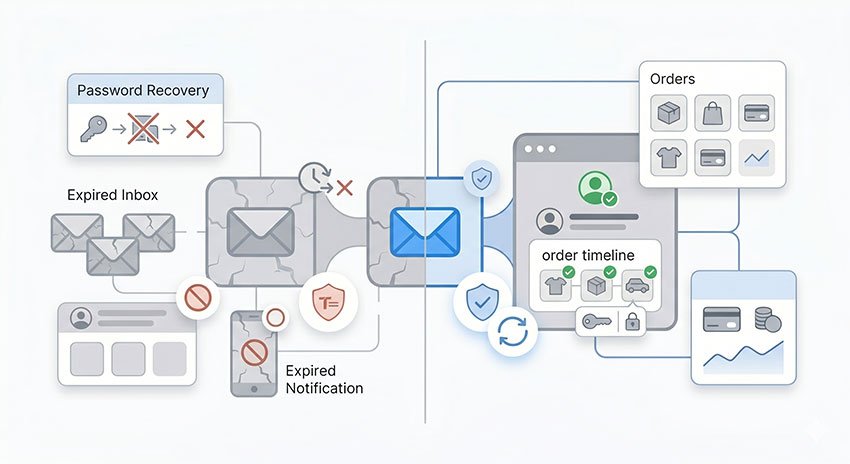
| বৈশিষ্ট্য | টেম্প মেইল | আসল ইমেল |
|---|---|---|
| পাসওয়ার্ড পুনরুদ্ধার | ইনবক্সের মেয়াদ শেষ হলে সীমিত | নির্ভরযোগ্য এবং সর্বদা অ্যাক্সেসযোগ্য |
| অর্ডার ট্র্যাকিং | কিছু সময় পর ইমেল অদৃশ্য হয়ে যেতে পারে | সমস্ত রসিদ এবং আপডেট উপলব্ধ থাকে |
| রিটার্ন ইমেল | ইনবক্স সক্রিয় না থাকলে হারানো সহজ | বিরোধ বা রিফান্ডের জন্য সর্বদা অ্যাক্সেসযোগ্য |
| দীর্ঘমেয়াদী ব্যবহার | চলমান অ্যাকাউন্টের জন্য উপযুক্ত নয় | নিয়মিত অ্যামাজন ব্যবহারের জন্য বেশি উপযুক্ত |
মূল পার্থক্যটি কেবল সাইনআপের বিষয়ে নয়। এটি পরে স্পষ্ট হয় যখন ব্যবহারকারীদের অতীতের অর্ডার চেক করতে হয়, রিটার্ন পরিচালনা করতে হয় বা তাদের অ্যাকাউন্ট পুনরুদ্ধার করতে হয়।
একটি অস্থায়ী ইনবক্স শুরুতে কাজ করতে পারে, কিন্তু একটি আসল ইমেল অ্যামাজন অ্যাকাউন্টের দীর্ঘমেয়াদী ব্যবহারের সময় জুড়ে উপলব্ধ থাকে। যদিও এটি সবসময় অ্যাকাউন্ট সীমাবদ্ধতার কারণ হয় না, তবে এটি পুনরুদ্ধার, যাচাইকরণ এবং চলমান অ্যাকাউন্ট অ্যাক্সেসকে সময়ের সাথে সাথে কম নির্ভরযোগ্য করে তুলতে পারে।
চূড়ান্ত রায়: অ্যামাজনের জন্য কি টেম্প মেইল ব্যবহার করা সার্থক?
সংক্ষিপ্ত উত্তর হলো, অ্যামাজনের জন্য টেম্প মেইল সীমিত ক্ষেত্রে কাজ করতে পারে, তবে এটি দীর্ঘমেয়াদী অ্যামাজন অ্যাকাউন্ট ব্যবহার বা অ্যামাজন অ্যাকাউন্ট নিরাপত্তার জন্য উপযুক্ত নয়।
শুরুতে, দ্রুত সাইনআপ বা সাধারণ ব্রাউজিংয়ের জন্য ডিসপোজেবল ইমেল সুবিধাজনক মনে হয়।
যাইহোক, অ্যামাজন অ্যাকাউন্টগুলো খুব কমই একবার ব্যবহার করা হয়। সময়ের সাথে সাথে, সেগুলো অর্ডার, রিটার্ন, সাবস্ক্রিপশন এবং পুনরুদ্ধারের প্রয়োজনের সাথে যুক্ত হয়ে পড়ে।
এখান থেকেই অ্যামাজন ডিসপোজেবল ইমেলের সীমাবদ্ধতাগুলো প্রকাশ পেতে শুরু করে।
সমস্যাটি সাইনআপ নয়, বরং পরে যা ঘটে তা হলো — যখন ব্যবহারকারীদের পাসওয়ার্ড রিসেট করতে হয়, অর্ডার চেক করতে হয় বা অ্যাকাউন্টের কার্যকলাপ যাচাই করতে হয়।
সেই মুহূর্তে, মূল ইমেলটিতে অ্যাক্সেস থাকা আবার প্রয়োজনীয় হয়ে পড়ে।
টেম্প মেইল অস্থায়ী অ্যাক্সেসের জন্য কাজ করতে পারে, কিন্তু অ্যামাজন অ্যাকাউন্টগুলো দীর্ঘমেয়াদী ব্যবহারের জন্য তৈরি।
এ কারণেই অ্যামাজন অ্যাকাউন্টের জন্য টেম্প মেইল প্রায়শই ব্যবহারকারীদের প্রত্যাশার চেয়ে বেশি অ্যাকাউন্ট পুনরুদ্ধার এবং যাচাইকরণ সমস্যা তৈরি করে।
অ্যামাজনের জন্য টেম্প মেইল: অ্যাকাউন্টের নিরাপত্তা এবং ইমেল ব্যবহার সম্পর্কে সাধারণ প্রশ্ন
অ্যামাজন কি অস্থায়ী ইমেল ঠিকানা শনাক্ত করতে পারে?
কিছু ক্ষেত্রে, অ্যামাজন ডিসপোজেবল বা অস্থায়ী ইমেল ডোমেইনের সাথে সম্পর্কিত প্যাটার্নগুলো শনাক্ত করতে সক্ষম হতে পারে। যাইহোক, আরও গুরুত্বপূর্ণ সমস্যাটি শনাক্তকরণ নয়, বরং ইমেলটি প্রয়োজনের সময় পুনরুদ্ধার, অর্ডার ট্র্যাকিং এবং যাচাইকরণের মতো দীর্ঘমেয়াদী অ্যাকাউন্টের কার্যকলাপকে সমর্থন করতে পারে কিনা তা।
আমি যদি আমার অ্যামাজন ইমেলের অ্যাক্সেস হারিয়ে ফেলি তবে কী হবে?
যদি আপনি আপনারআপনার অ্যামাজন অ্যাকাউন্টের সাথে লিঙ্ক করা ইমেইলে অ্যাক্সেস না থাকলে, অ্যাকাউন্ট পুনরুদ্ধার করা বা যাচাইকরণ ধাপগুলো সম্পন্ন করা আরও কঠিন হয়ে পড়তে পারে। এটি সময়ের সাথে সাথে পাসওয়ার্ড রিসেট, নিরাপত্তা পরীক্ষা এবং অর্ডার-সংক্রান্ত ইমেইল পাওয়ার ক্ষেত্রে প্রভাব ফেলতে পারে।
আমি কি অ্যামাজন অ্যাকাউন্ট খোলার পর আমার ইমেইল পরিবর্তন করতে পারি?
হ্যাঁ, বেশিরভাগ ক্ষেত্রে অ্যামাজন ব্যবহারকারীদের অ্যাকাউন্ট সেটিংসের মাধ্যমে তাদের ইমেইল ঠিকানা আপডেট করার অনুমতি দেয়। তবে, নতুন ইমেইলটি দীর্ঘমেয়াদে ব্যবহারযোগ্য হতে হবে, কারণ এটি লগইন, যাচাইকরণ এবং অ্যাকাউন্টের নোটিফিকেশনের জন্য ব্যবহৃত হতে থাকবে।
অ্যামাজন প্রাইম অ্যাকাউন্টের জন্য টেম্প মেইল (Temp mail) কি নির্ভরযোগ্য?
অ্যামাজন প্রাইম অ্যাকাউন্টের জন্য টেম্প মেইল সাধারণত নির্ভরযোগ্য নয়, কারণ প্রাইম অ্যাকাউন্টের সাথে নিয়মিত বিলিং, নবায়ন সংক্রান্ত নোটিফিকেশন এবং চলমান অ্যাকাউন্ট ম্যানেজমেন্টের বিষয়গুলো জড়িত থাকে। গুরুত্বপূর্ণ আপডেট মিস করা এড়াতে এগুলোর জন্য দীর্ঘমেয়াদে ইমেইলে স্থিতিশীল অ্যাক্সেস থাকা প্রয়োজন।
সন্দেহজনক লগইনের জন্য অ্যামাজন কি যাচাইকরণ ইমেইল পাঠায়?
হ্যাঁ, অ্যামাজন যখন অস্বাভাবিক লগইন কার্যকলাপ শনাক্ত করে, যেমন নতুন ডিভাইস, অবস্থানের পরিবর্তন বা পাসওয়ার্ড রিসেট, তখন তারা যাচাইকরণ ইমেইল বা নিরাপত্তা সতর্কতা পাঠাতে পারে। এই ইমেইলগুলো অ্যাকাউন্টের নিরাপত্তা ব্যবস্থার অংশ এবং এগুলো সাধারণত শুধুমাত্র সাইনআপের সময় নয়, বরং অ্যাকাউন্টের পুরো জীবনকাল জুড়ে পাঠানো হয়।